
🩺 How Does Varithena Treatment Work for Varicose Veins?
Varicose veins are not always just a cosmetic concern. For some patients, enlarged, twisted veins are accompanied by persistent leg heaviness, swelling, aching, and skin changes that gradually interfere with everyday activities. These symptoms can indicate chronic venous insufficiency, a condition in which damaged vein valves allow blood to flow backward and accumulate in the lower extremities.
When the underlying problem involves an incompetent superficial vein, minimally invasive treatment may help restore more efficient circulation. One option is Varithena® treatment, an FDA-approved form of foam sclerotherapy that uses specially formulated polidocanol injectable foam to close diseased veins. Unlike traditional surgical approaches, the procedure does not require large incisions or removal of the affected vein. Instead, it targets the vessel from within, allowing blood to flow through healthier veins.
But how does the foam actually work, which veins can it treat, and how does a physician determine whether this approach is appropriate? Understanding the procedure helps patients make informed decisions about managing varicose veins and their underlying causes.
💉 What Is Varithena Foam Sclerotherapy?
Varithena is a prescription injectable foam containing polidocanol, a sclerosing medication designed to close abnormal veins. It is specifically approved for treating incompetent great saphenous veins, accessory saphenous veins, and associated visible varicosities within the great saphenous vein system.
The treatment works by introducing a controlled amount of foam directly into the affected vessel. The medication interacts with the vein's inner lining, known as the endothelium, triggering a process that causes the vein walls to collapse and seal together.
Once the treated vein closes, blood is redirected through other functioning veins. The body gradually breaks down and absorbs the treated vessel over time.
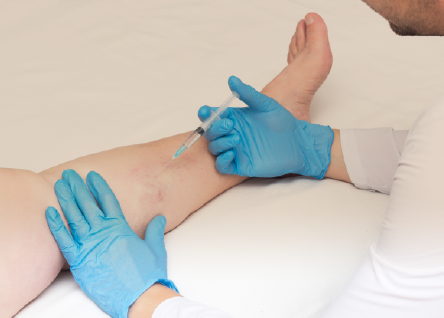
An important distinction is that Varithena does not remove the underlying tendency to develop venous disease. It addresses specific incompetent veins responsible for abnormal circulation and associated symptoms.
🔬 How Does Varithena Work Inside the Vein?
The effectiveness of Varithena depends on how the foam interacts with the vein wall and displaces blood within the targeted vessel.
In a healthy leg, one-way venous valves help move blood upward toward the heart against gravity. When these valves become damaged or fail to close properly, blood can flow backward, a condition called venous reflux. This increases pressure within superficial veins and contributes to their enlargement.
Varithena addresses this problem through chemical sclerotherapy.
🧬 The Mechanism Behind Polidocanol Injectable Foam
After administration, the foam spreads along the internal surface of the targeted vein. Polidocanol damages the endothelial lining, initiating a controlled inflammatory response that leads to the vein walls adhering to one another.
Over time, the closed vessel undergoes fibrosis, a natural healing process in which the treated tissue is gradually replaced by fibrous tissue and absorbed.
The foam formulation is particularly useful because it displaces blood from the treatment area, allowing the medication to maintain contact with the vein wall. This helps the physician target the affected vessel rather than relying on a liquid solution diluted by circulating blood.
The treatment is performed under ultrasound guidance when addressing the great saphenous vein, allowing the physician to monitor the injection and assess the targeted anatomy.
🏥 How Is the Varithena Procedure Performed?
Varithena is generally performed in an outpatient setting. The procedure does not require traditional surgical incisions, general anesthesia, or removal of the affected vein.
Although the exact treatment plan depends on the patient's anatomy and the extent of venous disease, the process typically involves several stages.
The Procedure
How Varithena® Foam Treatment Works
Venous Ultrasound Evaluation
Before treatment, a duplex ultrasound examination is performed to assess the superficial and deep venous systems. The physician evaluates blood flow, valve function, vein diameter, and the location of reflux.
This examination is essential because visible varicose veins do not always reveal where the underlying circulation problem originates.
Ultrasound-Guided Foam Injection
The physician identifies the target vein and introduces a small needle or cannula into the vessel. Varithena foam is then injected under ultrasound guidance, allowing the specialist to monitor its distribution within the treated vein.
The medication is delivered according to the approved dosing instructions and the patient’s individual treatment plan.
Vein Closure
As the foam contacts the endothelial lining, the vein begins the process of closing. Blood is redirected through other functioning vessels, while the treated vein gradually undergoes fibrosis.
Post-Treatment Assessment
Following the procedure, the physician evaluates the treatment area and provides individualized recovery instructions. Follow-up ultrasound examinations may be used to assess vein closure, blood flow, and potential complications.
👥 Who May Benefit From Varithena Treatment?
Varithena is intended for specific forms of superficial venous incompetence. It may be considered for patients with symptomatic varicose veins associated with reflux in the great saphenous or accessory saphenous vein systems.
Potential symptoms and clinical findings include:
Bulging, twisted varicose veins in the legs.
Persistent aching, heaviness, or fatigue, particularly after prolonged standing.
Swelling around the ankles and lower legs.
Discomfort associated with superficial venous reflux.
Visible varicosities associated with an incompetent great saphenous vein.
Patients with more advanced venous disease may also experience skin discoloration, inflammation, thickening around the ankles, or venous leg ulcers.
However, these findings do not automatically make someone a candidate for Varithena. A physician must establish whether superficial venous reflux is contributing to the problem and whether the targeted veins are appropriate for this particular treatment.
Patients with an allergy to polidocanol or acute thromboembolic disease should not receive Varithena. A history of blood clots, reduced mobility, recent major surgery, pregnancy, and underlying arterial disease must also be carefully considered during the medical evaluation.
INLAND VEIN & WOUND SPECIALISTS
Have a Question?
Concerned about varicose veins, spider veins or a slow-healing wound? Talk to our team about your treatment options and take the next step toward healthier legs.
Inland Vein & Wound Specialists – Rancho Cucamonga, CA
⚖️ Varithena vs. Radiofrequency Ablation: What Is the Difference?
Both Varithena and Radiofrequency Ablation (RFA) are minimally invasive procedures designed to close incompetent superficial veins and redirect blood flow into healthier vessels. However, they achieve vein closure through different mechanisms.
Varithena uses a chemical sclerosant delivered as an injectable foam. RFA uses controlled thermal energy delivered through a catheter positioned inside the affected vein.
The choice depends on the anatomy of the diseased vessel, its accessibility, ultrasound findings, and the patient's medical history.
For example, foam treatment may be considered when the vein is tortuous or its anatomy makes catheter-based treatment less suitable. RFA may be appropriate when the affected vein can be accessed and treated with a thermal catheter.
Neither procedure is universally superior. In some cases, a physician may recommend one approach over another or combine different treatments to address multiple sources of venous reflux.
Patients interested in the thermal approach can learn more about Radiofrequency Ablation for varicose veins and how it differs from foam sclerotherapy.
🩹 Recovery After Varithena: What Should Patients Expect?
Most patients undergo Varithena without an overnight hospital stay. However, recovery and post-procedure instructions vary according to the extent of treatment and individual medical circumstances.
Some temporary effects may occur as the treated vein responds to the medication. These can include localized tenderness, bruising, swelling, discomfort along the treated vessel, or superficial inflammation.
Physicians may recommend walking regularly and wearing compression stockings for a specified period, depending on the clinical situation. Follow-up appointments help assess the treated vein and monitor the recovery process.
Patients should contact their physician if they develop unusual or worsening symptoms. New or increasing one-sided leg swelling, significant pain, or redness requires prompt medical assessment. Sudden shortness of breath, chest pain, or coughing up blood requires emergency medical attention because these symptoms may indicate a pulmonary embolism.
Varithena also carries a risk of venous thrombosis, including deep vein thrombosis. Although uncommon, these complications are important considerations when discussing treatment.
🔄 Can Varicose Veins Return After Varithena?
The treated vein is intended to remain closed, but this does not mean that venous disease is permanently eliminated.
Chronic venous insufficiency can involve multiple superficial veins, and other vessels may develop reflux over time. New varicosities can also appear because of ongoing changes in venous valve function and circulation.
For this reason, successful treatment involves more than closing a single vessel. Identifying the source of reflux, evaluating the surrounding venous system, and monitoring symptoms are important parts of long-term vein care.
Patients experiencing recurring swelling, heaviness, or newly visible varicose veins should consider another professional evaluation rather than assuming that the original treatment has failed.
PATIENT SUPPORT
WE'RE HERE TO HELP
Have Questions About Your Vein Health?
Whether you're exploring treatment options or ready to schedule a consultation, our team is here to help you take the next step.
📍 When Should You Consider a Professional Vein Evaluation?
Persistent leg discomfort, progressive swelling, and visible varicose veins deserve attention, particularly when symptoms interfere with walking, standing, or everyday activities.
A comprehensive evaluation can help distinguish chronic venous insufficiency from other causes of leg discomfort, including arterial disease, musculoskeletal conditions, and deep vein disorders.
At Inland Vein & Wound Specialists in Rancho Cucamonga patients from throughout the Inland Empire can receive a professional vein assessment, including duplex ultrasound evaluation and individualized treatment recommendations.
The most appropriate treatment depends on the location and severity of venous reflux, the condition of the deep venous system, and the patient's overall health.
Varithena offers a targeted, minimally invasive option for certain types of symptomatic varicose veins. By addressing the abnormal vessel responsible for reflux, it can improve venous symptoms and the appearance of affected veins. A detailed ultrasound examination is the first step in determining whether foam sclerotherapy, radiofrequency ablation, or another treatment approach is appropriate.
Written by
Whitney Gregory
MEDICAL PROFESSIONAL | CLINICAL TEAM
Whitney is a medical professional on the clinical team at Inland Vein & Wound Specialists. She works with patients every day and shares clear, practical information to help you understand your vein health and feel confident about your care.
Inland Vein & Wound Specialists
Rancho Cucamonga, CA
