🕸️ Why Can Spider Veins Return After Sclerotherapy?
Sclerotherapy can make treated spider veins gradually fade, but it does not prevent every new vein from appearing. Months or even years after treatment, some patients notice fine red or blue lines developing near areas that previously looked clear. Others see veins return in almost the same location and wonder whether the original procedure failed.
Spider veins returning after sclerotherapy does not necessarily mean the treatment was unsuccessful. In some cases, previously treated vessels have reopened or did not close completely. In others, entirely new spider veins have developed because the underlying factors that contribute to their formation are still present.
The difference matters. A recurring vein may require a different approach from a newly developed one, and repeating treatment without identifying the reason for its appearance may not address the underlying issue.
🔍 Why Do Spider Veins Come Back After Treatment?
Sclerotherapy works by introducing a solution into targeted small veins. The solution irritates the inner lining of the vessel, causing its walls to close and eventually become scar tissue. Blood is redirected through other healthy veins, while the treated vessel gradually becomes less visible.
However, sclerotherapy treats specific vessels rather than changing a person's overall tendency to develop spider veins. Several factors can influence long-term results.
After Sclerotherapy
Why Spider Veins May Appear After Sclerotherapy
New Spider Veins Develop Over Time
One of the most common explanations for spider veins after sclerotherapy is the formation of new vessels.
Spider veins, medically called telangiectasias, are small, dilated blood vessels visible near the skin’s surface. They may appear as thin red, purple, or blue lines, often in branching or web-like patterns.
Their development can be influenced by:
- GeneticsA family history of spider veins or varicose veins may increase the likelihood of developing them.
- Hormonal changesPregnancy, menopause, and hormonal fluctuations can influence vein walls and circulation.
- AgeVein walls and surrounding tissues change over time, potentially making superficial vessels more noticeable.
- Prolonged standing or sittingExtended periods in one position can contribute to increased pressure in the veins of the legs.
- Underlying venous diseaseReflux in larger veins can contribute to elevated pressure within smaller superficial vessels.
These factors do not mean that sclerotherapy has stopped working. The procedure may have successfully closed the original veins while different vessels gradually became visible.
A Treated Vein Does Not Close Completely
Another possibility is incomplete closure or recanalization.
After sclerotherapy, the treated vessel is expected to collapse and gradually be replaced by fibrous tissue. Occasionally, however, a vein does not close fully or blood flow returns through part of the treated segment.
This may happen when the vessel does not respond sufficiently to the treatment, when the anatomy makes complete treatment difficult, or when the targeted vein is connected to a source of persistent pressure.
Recanalization is different from the development of an entirely new spider vein.
A specialist can often distinguish between these possibilities through examination and, when indicated, additional imaging.
Larger Veins Continue to Feed Smaller Vessels
Spider veins sometimes develop in association with larger reticular veins or underlying venous reflux.
Reticular veins are slightly larger blue or greenish vessels located beneath the skin. They may act as feeder veins, supplying blood to clusters of smaller visible spider veins.
If these underlying vessels are not adequately addressed, pressure or flow through the network may contribute to persistent or recurring visible veins. In some patients, the problem may extend beyond the superficial network and involve incompetent veins deeper in the leg.
This is why evaluating the pattern of visible veins is important. Treating the smallest vessels alone may produce an incomplete result if a larger source of abnormal blood flow remains.
🩺 Does Recurring Spider Veins Mean Sclerotherapy Failed?
Not necessarily. The appearance of new vessels does not automatically indicate that the original treatment was ineffective.
The timing and location of the changes can provide useful clues. For example, a vein that becomes visible again in precisely the same location may warrant evaluation for incomplete closure or recanalization. New clusters appearing elsewhere may reflect ongoing vein development rather than failure of the original procedure.
It is also important to allow enough time for the initial results to develop. Treated vessels do not disappear immediately. They gradually become less visible as the body breaks down and absorbs the closed vessels. Depending on their size and individual response, this process may take several weeks or longer.
Repeated treatment too soon may make it difficult to assess the full result of the previous session. Follow-up timing should therefore be based on the treated vessels, the patient's response, and the treating specialist's recommendations.
⏳ How Long Do Sclerotherapy Results Last?
Sclerotherapy can provide long-lasting improvement in the specific vessels that respond to treatment. Once a vein has been successfully closed and replaced by fibrous tissue, it does not simply return to its original functioning state.
However, long-lasting results do not mean that a person will never develop another spider vein.
The distinction is between the treated vessels and the ongoing tendency to develop new ones. A patient may have an excellent cosmetic response in one area and later develop visible vessels nearby. This can occur even when the original treatment was performed correctly.
Long-term results depend on several individual factors, including the extent of the original vein network, the presence of feeder veins, genetic predisposition, hormonal influences, and whether underlying venous reflux is present.
INLAND VEIN & WOUND SPECIALISTS
Have a Question?
Concerned about varicose veins, spider veins or a slow-healing wound? Talk to our team about your treatment options and take the next step toward healthier legs.
Inland Vein & Wound Specialists – Rancho Cucamonga, CA
💉 What Can Be Done When Spider Veins Return?
The appropriate next step depends on what is causing the new or persistent veins. Simply repeating the same procedure without reassessing the area may not be the best approach.
A specialist may evaluate the size, location, distribution, and appearance of the vessels, along with any associated symptoms. If larger reticular veins or deeper venous abnormalities are suspected, additional evaluation may be appropriate.
Treatment options can include:
Repeat cosmetic sclerotherapy: When new or residual spider veins are the main concern, another session may be considered. The provider injects a sclerosing solution into selected superficial vessels to encourage them to close.
Treatment of feeder veins: If larger reticular veins contribute to the visible network, they may need to be addressed as part of the treatment plan. The technique depends on their size, depth, and anatomy.
Ultrasound-guided evaluation and treatment: When deeper or larger veins are involved, ultrasound can help identify abnormal flow and guide treatment. Ultrasound-guided sclerotherapy allows a provider to visualize and target veins that cannot be accurately assessed by looking at the skin alone.
These approaches are not interchangeable. Cosmetic sclerotherapy is intended primarily for small visible surface vessels, while treatment of underlying venous reflux addresses a different medical problem. The appropriate option depends on the examination and diagnostic findings.
⚠️ When Should You Have Recurring Veins Evaluated?
A few new spider veins may be primarily a cosmetic concern. However, visible vessels accompanied by persistent leg symptoms deserve closer attention.
Consider a professional vein evaluation if you notice:
Increasing numbers of visible veins or clusters that continue to spread.
Leg heaviness, aching, or fatigue that becomes worse after standing.
Persistent swelling around the ankles or lower legs.
Skin itching, discoloration, or thickening near the ankles.
Bulging varicose veins appearing alongside spider veins.
These symptoms do not establish a diagnosis on their own. A specialist may recommend a venous duplex ultrasound when the examination suggests possible reflux or another underlying circulation problem. The scan evaluates blood flow and helps identify whether larger veins are contributing to the visible changes.
Patients who experience symptoms beyond cosmetic concerns can review the common signs of venous disease before discussing their concerns with a specialist.
🌿 How Can You Maintain Better Long-Term Results?
Although no routine can guarantee that spider veins will never develop again, certain habits may support overall leg circulation and help manage symptoms associated with prolonged inactivity.
Regular walking activates the calf muscles, which help move blood upward through the leg veins. Changing position throughout the day can also reduce the amount of time spent sitting or standing continuously. When appropriate, leg elevation may help relieve temporary swelling.
Compression stockings may be recommended for some patients, depending on their venous condition and treatment plan. They should be selected with professional guidance, particularly when arterial circulation problems are possible.
Sun protection is also relevant when treating visible vessels on exposed areas of the skin. Sclerotherapy can sometimes cause temporary discoloration, and sun exposure may make certain pigmentation changes more noticeable.
These measures support general vein health, but they cannot reverse damaged vein valves or guarantee prevention of new spider veins.
PATIENT SUPPORT
WE'RE HERE TO HELP
Have Questions About Your Vein Health?
Whether you're exploring treatment options or ready to schedule a consultation, our team is here to help you take the next step.
🩺 A Better Approach to Long-Term Spider Vein Treatment
When spider veins return after sclerotherapy, the most useful question is not simply whether another injection is needed. It is whether the visible vessels represent new development, incomplete closure, or an untreated source of abnormal venous pressure.
Identifying that distinction helps guide treatment and set realistic expectations. Some patients need only additional cosmetic sclerotherapy, while others benefit from evaluation of larger veins or underlying venous reflux.
At Inland Vein & Wound Specialists in Rancho Cucamonga, patients can discuss recurring spider veins and available treatment options based on their individual vein condition. If visible veins are returning or accompanied by discomfort, consider scheduling an evaluation to determine the most appropriate next step.
Written by
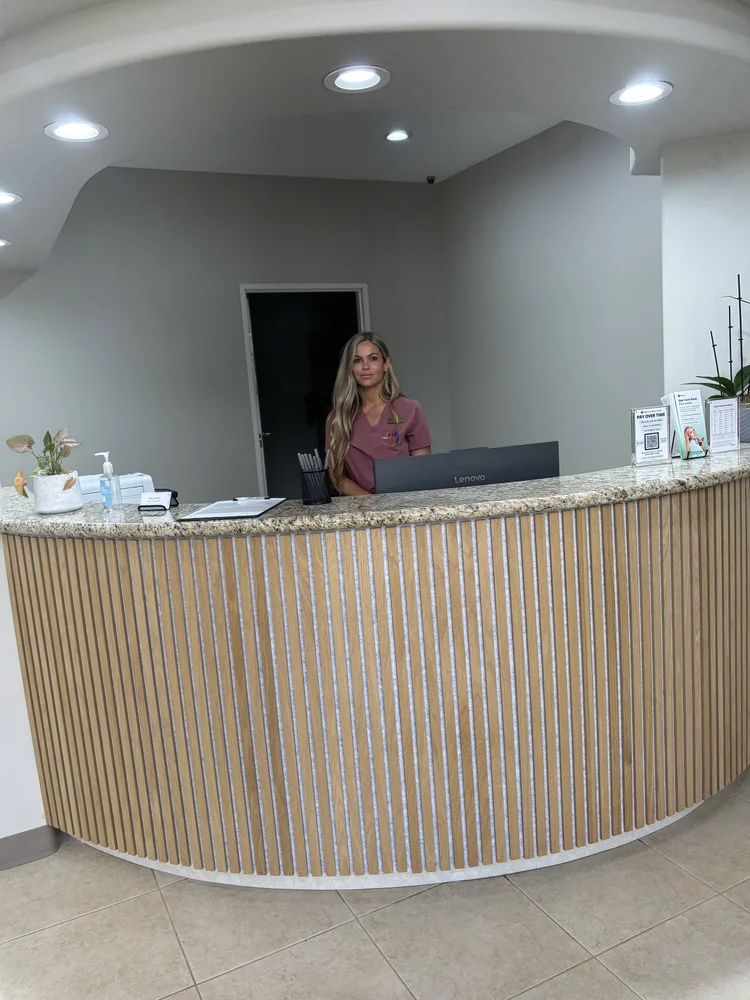
Whitney Gregory
MEDICAL PROFESSIONAL | CLINICAL TEAM
Whitney is a medical professional on the clinical team at Inland Vein & Wound Specialists. She works with patients every day and shares clear, practical information to help you understand your vein health and feel confident about your care.
Inland Vein & Wound Specialists
Rancho Cucamonga, CA
