
Spider Vein Treatment
in Rancho Cucamonga
Minimally invasive treatments designed to help you move comfortably, heal faster, and feel confident again.
Spider Vein Treatment
Spider veins are small red, blue, or purple veins that appear close to the surface of the skin, most commonly on the legs. While typically not medically dangerous, they can affect confidence and overall appearance.
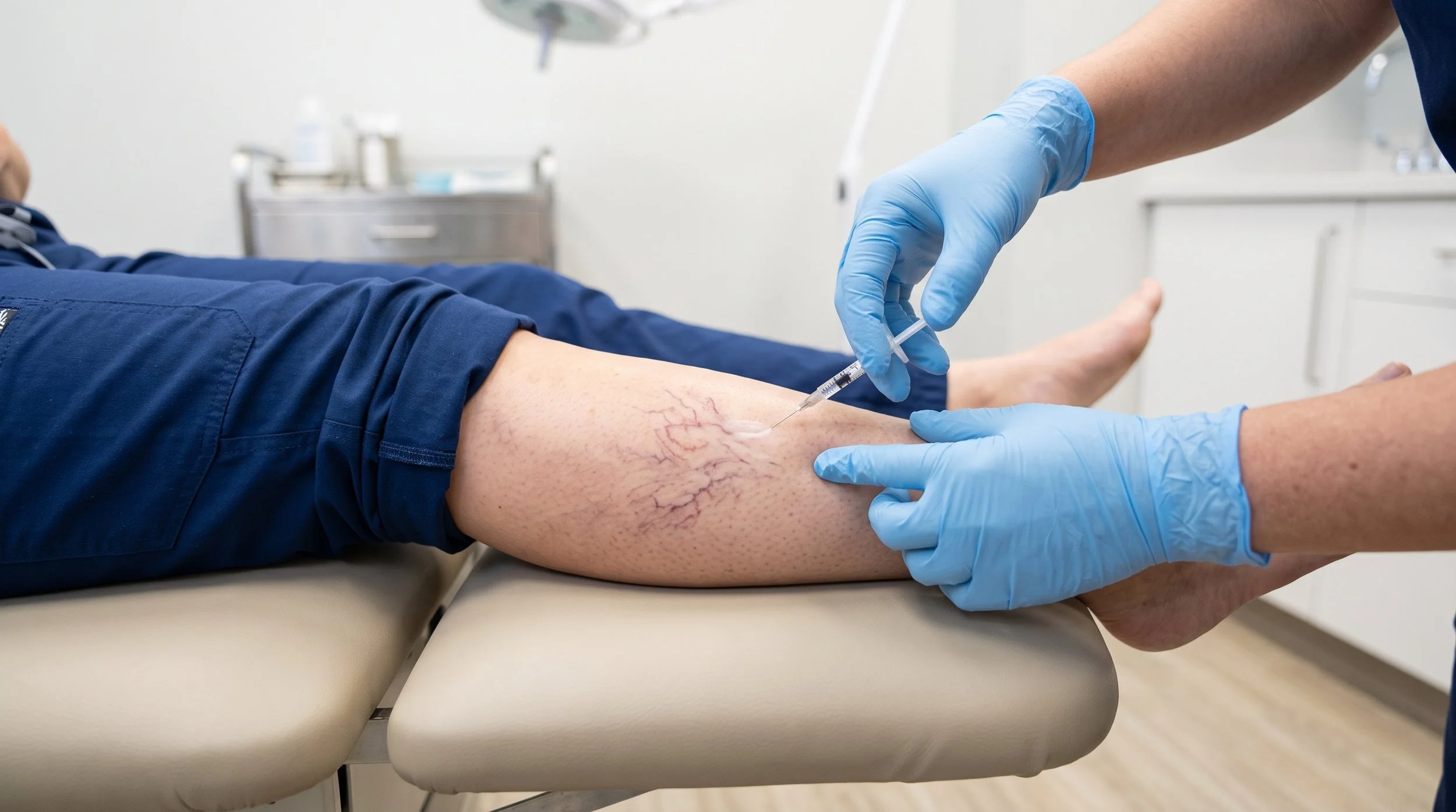
At Inland Vein and Wound Specialists in Rancho Cucamonga, CA, spider veins are treated using cosmetic sclerotherapy — a safe, minimally invasive procedure performed in-office. During treatment, a specialized solution is injected directly into the visible veins. The solution causes the vein to collapse and gradually fade as blood is redirected to healthier vessels.
Treatment sessions are typically quick and require little to no downtime. Most patients return to normal activities immediately following the procedure. Multiple sessions may be recommended depending on the number and size of veins being treated.
Because spider vein treatment is considered cosmetic, it is generally not covered by insurance and is offered as a cash-based service.
Why choose us?
Healthy legs. Better days. Greater confidence.
Whether you're dealing with painful varicose veins or a chronic wound that won't heal, our specialists help you get back to living comfortably and confidently.
Advanced Treatments
Expert solutions for vein and wound conditions
Fast Recovery
Minimally invasive care with little downtime

Personalized Care
Treatment plans tailored to your needs
Modern Technology
Advanced tools for precise diagnosis

Insurance Accepted
We accept many major insurance plans
Vein Treatment Process

01. Book Appointment
Schedule your convenient appointment online or by phone.
02. Consultation
Meet with our vein specialist to discuss your symptoms, medical history, and treatment goals.
03. Ultrasound Evaluation
A non-invasive ultrasound is performed to evaluate your veins and identify underlying issues.
04. Personalized Treatment Plan
We create a customized treatment plan tailored to your condition and lifestyle.
05. Treatment
Your procedure is performed in-office using minimally invasive techniques for optimal comfort.
06. Recovery & Follow-Up
Return to your normal activities quickly. We'll monitor your progress and ensure the best long-term results.
FAQs about Vein Treatment
Wondering if your leg pain, swelling, or visible veins could be signs of vein disease? Explore answers to the questions patients ask most often before scheduling a consultation.
-
The best treatment depends on the size, location, and underlying cause of your spider veins. Sclerotherapy remains the gold standard for treating most spider veins on the legs because it closes the affected vessels from the inside, allowing the body to naturally absorb them over time. Laser therapy is often recommended for very small veins or areas where injections are less practical. Before recommending treatment, a vein specialist may perform a duplex ultrasound to determine whether underlying venous reflux is contributing to the problem.
The most common treatment options include:Sclerotherapy – the preferred treatment for most spider veins on the legs.
Laser therapy – ideal for very small superficial veins.
Ultrasound-guided evaluation – recommended when underlying venous disease is suspected.
Your vein specialist will recommend the most appropriate option based on your symptoms, medical history, and vein examination.
-
The treated spider veins do not reopen once they have been successfully eliminated. However, new spider veins may develop over time because the underlying risk factors remain. Genetics, aging, hormonal changes, pregnancy, prolonged standing, obesity, and chronic venous insufficiency all increase the likelihood of developing new visible veins. Treating any underlying vein disease and following preventive recommendations can significantly reduce future vein formation.
Factors that increase recurrence risk include:
Family history of vein disease
Pregnancy and hormonal fluctuations
Occupations requiring prolonged standing or sitting
Excess body weight
Chronic venous insufficiency
Lack of regular physical activity
-
Most patients describe spider vein treatment as only mildly uncomfortable rather than painful. During sclerotherapy, the needle used is extremely small, and each injection typically causes a brief stinging sensation lasting only a few seconds. Laser treatment may feel similar to a quick rubber band snap against the skin. Neither procedure usually requires general anesthesia, and patients are able to walk immediately afterward and return to most normal daily activities the same day.
What most patients experience:
Mild stinging during injections
Temporary warmth or burning sensation
Minimal soreness afterward
No significant recovery period
Immediate return to walking
-
The number of treatment sessions depends on the size, number, and distribution of your spider veins. Smaller isolated areas may require only one or two treatments, while larger or more widespread networks often require several sessions scheduled a few weeks apart.
In general:
Mild cases often require 1–2 sessions.
Moderate cases usually require 2–4 sessions.
Extensive spider veins may require 4–6 or more sessions.
Your physician will reassess your progress after each treatment and adjust your plan if necessary.
-
Most healthy adults with visible spider veins are good candidates for treatment. The most appropriate option depends on the size of the veins, their location, your overall health, and whether underlying venous insufficiency is present.
You may be a good candidate if you:
Have visible spider veins.
Are in generally good health.
Have realistic expectations.
Are not pregnant at the time of treatment.
Do not have an active skin infection near the treatment area.
A consultation with a vein specialist is the best way to determine which treatment will provide the safest and most effective results.
-
Results develop gradually because your body needs time to absorb the treated veins. Small spider veins often begin fading within several weeks, while larger veins may continue improving for several months. Patients requiring multiple sessions usually notice steady improvement throughout the treatment process.
Typical timeline:
3–6 weeks: Smaller spider veins begin to fade.
6–12 weeks: Most treated veins continue improving.
Up to 3–4 months: Final results for larger veins become visible.
Your physician will determine whether additional treatments are needed during follow-up visits.
-
Spider vein treatment is generally considered cosmetic when performed solely to improve appearance. In these situations, insurance companies typically do not provide coverage. However, patients with symptoms or documented venous disease may qualify for medically necessary treatment.
Insurance may differ depending on whether:
Treatment is cosmetic only.
You have pain, swelling, or heaviness.
Venous reflux is confirmed on ultrasound.
Medical necessity criteria established by your insurance provider are met.
Your clinic can help verify your benefits before treatment begins.
-
Yes. Although spider veins are often harmless from a medical standpoint, they may sometimes indicate chronic venous insufficiency or venous reflux. Identifying these conditions early allows your physician to treat the underlying problem before it progresses.
A comprehensive vein evaluation is recommended if you experience:
Aching or painful legs.
Leg heaviness or fatigue.
Swelling around the ankles.
Nighttime leg cramps.
Skin discoloration.
Visible varicose veins.
Treating the underlying vein disease may improve both symptoms and long-term treatment success.
-
Following your physician's instructions before and after treatment helps optimize healing and improve cosmetic results. Most recommendations are simple and easy to follow.
Before treatment:
Avoid applying lotions or oils to the treatment area.
Wear comfortable clothing.
Follow any medication instructions provided by your physician.
After treatment:
Walk regularly every day.
Wear compression stockings if recommended.
Avoid prolonged hot baths, saunas, or hot tubs.
Limit strenuous exercise for the period advised by your physician.
Attend all scheduled follow-up appointments.
Following these guidelines can help reduce bruising, support healing, and improve treatment outcomes.
-
The cost of spider vein treatment varies depending on the size of the treatment area, the number of veins being treated, the treatment method used, and the number of sessions required. Because every patient has unique needs, an accurate estimate can only be provided after a clinical evaluation.
Several factors influence the total cost, including:
The extent of spider veins.
The treatment technique recommended.
The number of treatment sessions required.
Whether diagnostic ultrasound is needed.
Your geographic location and provider.
During your consultation, your vein specialist will develop a personalized treatment plan and explain the expected costs before treatment begins. This approach ensures you receive the most appropriate care without unnecessary procedures.

Questions about your insurance coverage?
We know insurance coverage for vein treatments can be confusing. Our team is here to help you understand your benefits and verify your coverage before your treatment.
Free Vein Screening Consultation
Concerned about varicose veins, leg discomfort, or poor circulation? Fill out the form below and our team will contact you to schedule your free screening.
FREE First Vein Screening
|
FREE First Vein Screening |
Patient Information
Working Hours
To learn more about our services or arrange a consultation, please contact our office at +1 (909) 308-5989.
Business Hours:
Monday to Friday: 9:00 AM – 5:00 PM
Saturday and Sunday: Closed
Appointment Changes
If you need to cancel or reschedule your visit, we kindly request that you notify us at least 24 hours in advance. This allows us to offer the appointment slot to another patient who may be waiting for care.
Insurance Information
Many insurance providers cover treatment for symptomatic vein conditions. Our clinic works with a wide range of insurance plans. Please reach out to our team for specific coverage details.
Accepted Payment Methods
We strive to make payments simple and convenient. We currently accept cash, personal checks, Visa, Mastercard, American Express, and Discover cards.




How to find us
Our clinic is conveniently located at:
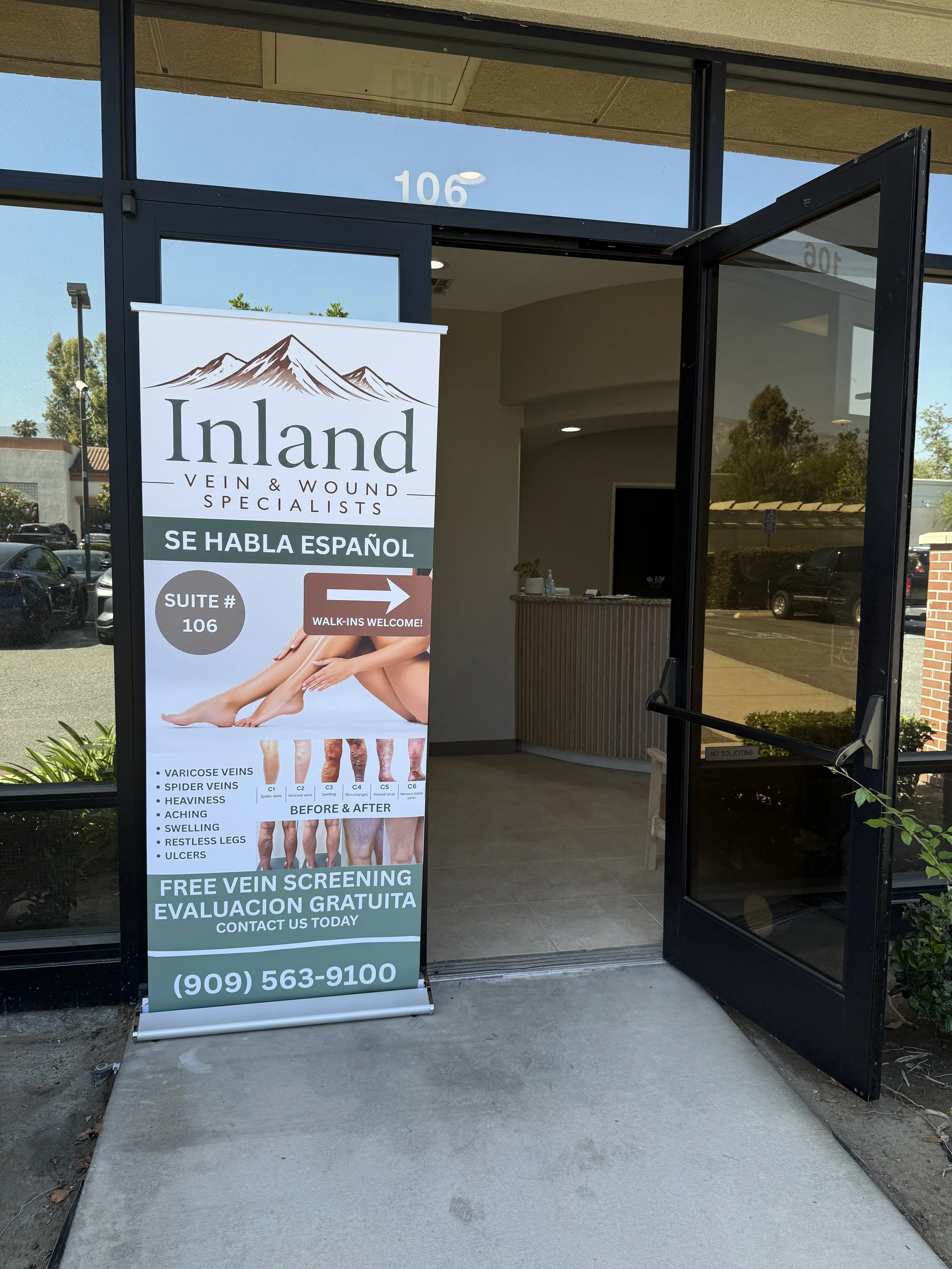
10801 Foothill Blvd, Suite 106 Rancho Cucamonga, CA 91730
For easy navigation, click the button below to get directions from your current location.