
🩺 How Do Doctors Decide Which Varicose Veins Need Treatment?
Two people can have veins that look almost identical but need very different medical recommendations. One may have visible, twisted veins without significant circulation problems. Another may have fewer visible veins but experience persistent swelling, skin changes, or abnormal blood flow that requires treatment.
So, which varicose veins need treatment? The decision is based on more than appearance. A vein specialist considers symptoms, physical examination findings, the condition of the surrounding skin, and, when indicated, venous ultrasound results. The goal is to determine whether a vein is simply visible or whether it is contributing to an underlying circulation problem.
This distinction matters because treating a prominent surface vein without addressing the source of abnormal blood flow may leave the underlying condition unchanged.
🔍 What Makes a Varicose Vein Medically Significant?
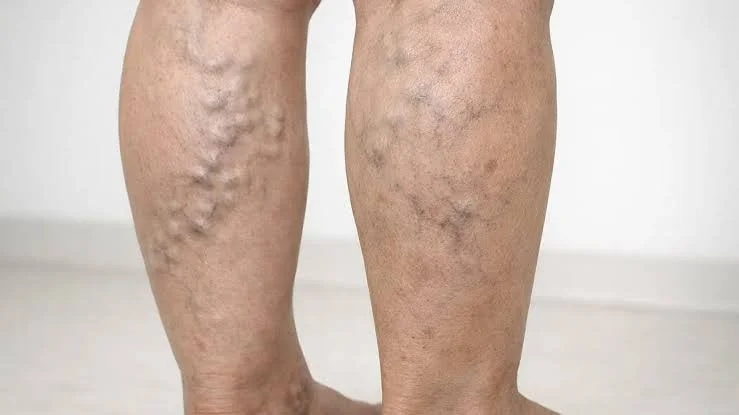
Varicose veins develop when the walls of superficial veins become enlarged and their valves no longer close effectively. Normally, these valves help direct blood upward toward the heart. When they malfunction, blood can move backward and collect in the legs, increasing pressure inside the affected vessels.
This process is called venous reflux. Persistent reflux can contribute to chronic venous insufficiency (CVI), a condition in which the veins struggle to return blood efficiently from the lower extremities.
A specialist looks for evidence that the abnormal vein is affecting circulation or causing complications, rather than judging its importance by diameter or appearance alone.
Symptoms that may indicate clinically significant venous disease include:
Persistent aching, heaviness, or fatigue in the legs.
Swelling around the ankles or lower legs, particularly later in the day.
Burning, itching, or throbbing around affected veins.
Skin discoloration, especially brownish pigmentation near the ankles.
Thickening or inflammation of the skin around the lower leg.
Open sores or wounds that heal slowly or repeatedly return.
These findings do not automatically confirm venous insufficiency. Similar symptoms can occur with other medical conditions, so a proper evaluation is necessary before deciding on treatment.
🩻 How Does a Varicose Vein Evaluation Work?
A varicose vein evaluation typically begins with a discussion of symptoms and medical history, followed by a physical examination. The specialist wants to understand not only what the veins look like, but also when symptoms occur and how they affect everyday activities.
Medical history and symptom patterns
The timing of discomfort can provide useful information. For example, heaviness or swelling that becomes worse after prolonged standing may be consistent with venous hypertension. Symptoms that improve when the legs are elevated can also support suspicion of a venous circulation problem.
The provider may ask about previous blood clots, pregnancies, family history of varicose veins, prior vein procedures, medications, and periods of reduced mobility. These factors can influence both diagnosis and treatment planning.
Physical examination
The legs are examined for enlarged veins, swelling, skin changes, and signs of inflammation. The specialist may assess whether varicosities follow the course of major superficial veins or appear as smaller isolated branches.
The location of a vein can matter. For example, prominent veins along the inner thigh or calf may be connected to reflux in the great saphenous vein, while other patterns may involve different superficial venous pathways.
However, a physical examination cannot reliably establish which valves are failing or how blood is moving through the deeper venous system. This is where ultrasound becomes important.
When Should Varicose Veins Be Treated?
There is no single vein diameter or visual appearance that determines whether treatment is necessary for every patient. The decision depends on the clinical situation.
Medical Treatment
Treatment may be considered when varicose veins are associated with:
- ✓Persistent discomfort or aching
- ✓Leg swelling
- ✓Inflammation or tenderness
- ✓Bleeding from varicose veins
- ✓Complications of chronic venous insufficiency
Brown pigmentation, eczema-like irritation, thickening of the skin, and venous leg ulcers may indicate long-standing venous hypertension.
Cosmetic Treatment
Some people have visible varicose or spider veins without symptoms or signs of significant venous disease.
- ✓No persistent pain or discomfort
- ✓No significant leg swelling
- ✓No skin damage or ulceration
- ✓No evidence of significant venous reflux
In these situations, treatment may be considered primarily to improve appearance rather than to address a medical complication.
Important: Bleeding From a Varicose Vein
Bleeding from a varicose vein requires prompt medical assessment. If bleeding is active, elevate the leg and apply firm, direct pressure with a clean cloth while seeking urgent medical care.
Medical Need vs. Cosmetic Improvement
Cosmetic improvement and correction of venous insufficiency are not necessarily the same objective. A patient may need treatment for one concern, both, or neither, depending on the medical evaluation.
📡 Why Is Venous Ultrasound Important Before Treatment?
A venous duplex ultrasound allows the specialist to evaluate both vein structure and blood flow. It is commonly used when symptoms or examination findings suggest venous reflux or another circulation abnormality.
The scan uses sound waves and Doppler technology to assess whether blood is moving in the expected direction. During a reflux examination, the patient may be positioned standing or in another way that allows gravity to influence blood flow.
The examination can help identify:
Which superficial veins have incompetent valves.
Whether blood flows backward through a vein and the extent of that reflux.
Whether the deep veins show signs of thrombosis or other abnormalities.
Which tributary veins may be connected to an incompetent source.
Whether the findings support a treatment directed at underlying venous disease.
The results help the specialist distinguish between visible varicose veins that are primarily a cosmetic concern and veins associated with clinically significant reflux.
A scan does not automatically mean that a procedure is necessary. Treatment decisions must also account for symptoms, examination findings, medical history, and the potential benefits and risks of intervention.
💉 Which Vein Treatment Options May Be Recommended?
The treatment plan depends on which veins are affected and what the ultrasound and clinical examination reveal. Different procedures target different parts of the venous system.
Radiofrequency Ablation (RFA) may be recommended when a major superficial vein has significant reflux. A catheter delivers controlled radiofrequency energy to the vein, causing it to close. Blood is then redirected through other functioning veins. Patients can learn more about radiofrequency ablation for varicose veins.
Varithena® is an FDA-approved injectable microfoam treatment used for appropriate patients with symptomatic varicose veins. The foam is administered under ultrasound guidance to close targeted diseased veins.
Ultrasound-guided sclerotherapy may be used for selected deeper or residual varicose veins. Ultrasound allows the provider to visualize the target vessel and guide the injection.
Cosmetic sclerotherapy is generally used for smaller surface veins, including spider veins and reticular veins. It improves the appearance of these vessels but is not a substitute for treating significant underlying reflux.
These procedures are not interchangeable. A patient with reflux in a major superficial vein may need a different approach from someone whose primary concern is a cluster of small visible vessels.
⏳ What Happens If Varicose Veins Are Left Untreated?
Not every varicose vein will progress or cause complications. Some remain relatively stable for years, while others become more symptomatic over time.
When significant venous reflux persists, elevated pressure can gradually affect the surrounding tissues. This may lead to worsening swelling, inflammation, skin discoloration, and, in advanced cases, venous ulceration.
Other complications can include superficial venous thrombosis, bleeding from fragile surface veins, and persistent discomfort. Sudden one-sided leg swelling, new calf pain, warmth, or redness should be evaluated promptly because these symptoms can also occur with deep vein thrombosis. Chest pain or sudden shortness of breath requires emergency medical attention.
The purpose of evaluation is not to recommend a procedure for every visible vein. It is to identify problems that are causing symptoms or creating a meaningful risk of complications.
 PATIENT SUPPORT
WE'RE HERE TO HELP
Have Questions About Your Vein Health?
Whether you're exploring treatment options or ready to schedule a consultation, our team is here to help you take the next step.
📍 How Do You Know Which Varicose Veins Need Treatment?
The most useful way to decide which varicose veins need treatment is to establish whether they are associated with abnormal blood flow, persistent symptoms, or changes in the surrounding tissues.
A vein's appearance is only one part of the assessment. Symptoms, medical history, physical examination, and duplex ultrasound findings provide a more complete picture and help determine whether observation, cosmetic treatment, or intervention for venous insufficiency is appropriate.
At Inland Vein & Wound Specialists in Rancho Cucamonga, patients can discuss visible varicose veins, leg discomfort, and circulation concerns as part of an individual evaluation. If your veins are becoming more prominent or are accompanied by swelling, pain, or skin changes, consider scheduling a consultation to determine whether treatment is appropriate.

Written by
Whitney Gregory
MEDICAL PROFESSIONAL | CLINICAL TEAM
Whitney is a medical professional on the clinical team at Inland Vein & Wound Specialists. She works with patients every day and shares clear, practical information to help you understand your vein health and feel confident about your care.
Inland Vein & Wound Specialists
Rancho Cucamonga, CA
