
Why Do My Shoes Feel Tighter by the End of the Day?
Why Do My Shoes Feel Tighter by the End of the Day?
Your shoes fit fine in the morning, but by evening they suddenly feel too tight. Sometimes, that is simply the result of spending hours on your feet or sitting in one position. But when the same swelling keeps happening, especially alongside heaviness or aching, it may be worth finding out why. The timing matters. Swelling that builds throughout the day can sometimes point to how well your veins are moving blood back up from your legs.
👟 Why Do Shoes Feel Tighter at the End of the Day?
Gravity plays a major role in swelling that develops as the day goes on.
When you stand or sit for long periods, blood and fluid can collect in the lower legs and feet. Your calf muscles normally help push blood upward, but staying in one position limits that pumping action.
As fluid builds around the ankles and feet, shoes can start feeling noticeably tighter.
This can happen occasionally without indicating a serious problem. It becomes more concerning when the pattern is frequent, pronounced, or accompanied by other symptoms.
🌆 Why Do I Have Swollen Feet in the Evening?
Evening swelling can happen after a long workday, especially if your routine involves prolonged standing, sitting, walking, or traveling.
Mild fluid retention may improve after you rest or elevate your legs.
However, persistent foot swelling can have several possible causes. It may be related to medications, lifestyle factors, heart or kidney conditions, or problems with the veins. That is why recurring swelling should not automatically be attributed to one cause.
What Can Make Swelling More Noticeable?
Common contributors include:
Spending several hours standing or sitting
Long periods without walking or changing position
Warm weather
High-sodium meals
Pregnancy
Certain medications
Existing circulation problems
The pattern, duration, and other symptoms can help a specialist determine what may be behind it.
🩸 Could Vein Disease Cause Swelling?
When veins are working properly, one-way valves help move blood from the legs back toward the heart.
With venous insufficiency, those valves may not close effectively. Blood can move backward and pool in the lower legs, increasing pressure inside the veins.
That pressure can contribute to leg swelling, heaviness, aching, and visible vein changes. For some patients, the swelling becomes more noticeable as the day progresses.
This is why vein disease swelling may follow a different pattern from occasional puffiness after a particularly long day.
⚖️ Daily Swelling vs. a Possible Vein Problem
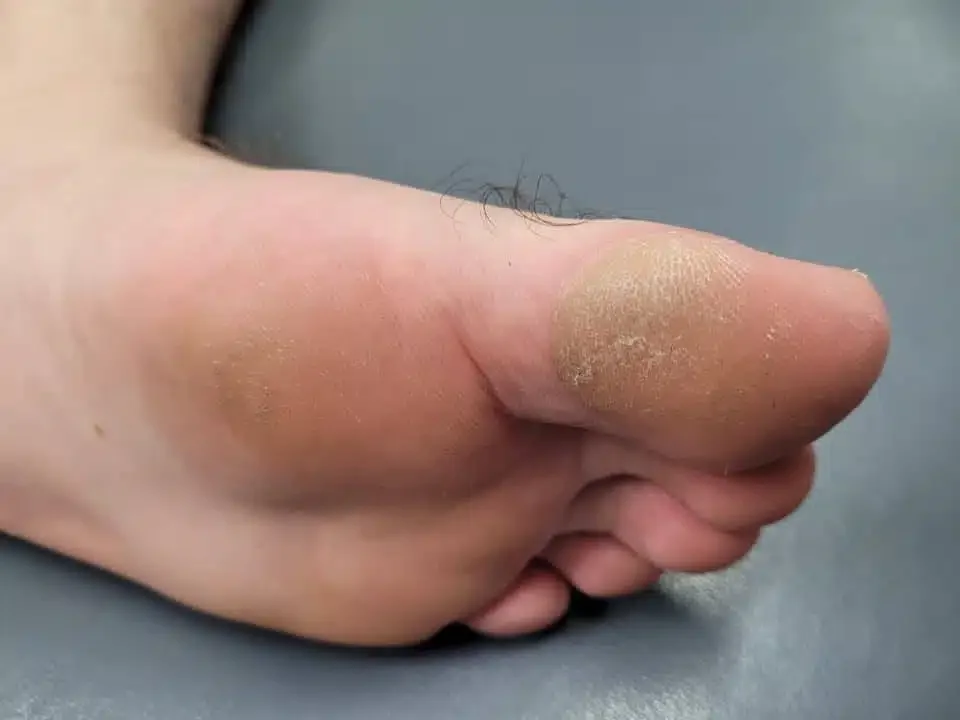
Close-up of a person's foot and lower leg.
Temporary daily swelling may:
Appear after an unusually long day
Improve with rest or leg elevation
Be mild and short-lived
Occur without other concerning symptoms
Be linked to a clear trigger, such as prolonged standing
Swelling that may need evaluation may:
Happen frequently or almost every day
Not improve easily with rest or elevation
Become more pronounced over time
Occur with aching, heaviness, itching, or visible veins
Happen without an obvious trigger
🦵 How Venous Insufficiency Can Affect Your Feet
Venous insufficiency can make it harder for blood to move upward from the lower legs. When pressure builds, fluid can move into surrounding tissue. This may cause edema, which is the medical term for swelling caused by excess fluid.
The swelling may be most noticeable around the ankles and feet. Some patients also notice that their legs feel heavy or tired by the end of the day. If this keeps happening, especially when combined with other vein symptoms, an evaluation can help determine whether poor circulation is contributing.
🔍 When Should Evening Swelling Be Checked?
Occasional swelling after a long day may not be unusual. But if your shoes regularly become uncomfortable because of swelling, it is worth paying attention to the pattern. Persistent leg swelling should be evaluated when it repeatedly interferes with walking, wearing normal shoes, working, or completing everyday activities.
It is especially important to seek medical attention when swelling is accompanied by significant pain, redness, warmth, skin changes, shortness of breath, or sudden swelling. A specialist can determine whether the issue involves the veins or whether another cause should be considered.
🏥 How Inland Vein & Wound Specialists Evaluates Swelling
Inland Vein & Wound Specialists looks at more than the amount of swelling you can see. During an evaluation, the specialist may review when the swelling occurs, whether it improves with elevation, and whether you have other symptoms. The legs can also be examined for visible vein changes, skin changes, and other signs that may help identify the cause. When a vein-related problem is suspected, ultrasound imaging can be used to assess blood flow and valve function.
This allows the team to determine whether vein disease or another circulation-related problem may be contributing to the swelling and whether treatment is appropriate. If your shoes are consistently tighter by evening and you are noticing swelling more often, schedule an evaluation with Inland Vein & Wound Specialists to find out what is causing it.
❓ Frequently Asked Questions
-
Feet and ankles can become slightly swollen after hours of standing or sitting because gravity encourages fluid to collect in the lower parts of the body. This can make shoes feel tighter by evening.
-
Yes. Problems with the veins can make it harder for blood to return from the legs to the heart, which may increase pressure and contribute to swelling around the ankles and feet.
-
Mild swelling after an unusually long day can happen, but frequent or persistent swelling should not automatically be considered normal. The cause can range from everyday habits to venous insufficiency or other medical conditions.
-
Consider an evaluation when swelling happens regularly, continues despite rest or elevation, or comes with pain, heaviness, skin changes, or visible veins. Sudden or severe swelling, particularly with other concerning symptoms, requires prompt medical attention.
