
When Should You See a Vein Doctor? Symptoms That Shouldn’t Be Ignored
When Should You See a Vein Doctor?
Not every visible vein needs medical attention. But when your legs start feeling heavier, swelling more often, or becoming painful, it may be time to find out what is behind the change. Some vein problems develop gradually, with symptoms that seem easy to dismiss at first. Recognizing the warning signs can help you decide when an evaluation makes sense.
🩺 When to See a Vein Doctor: What Signs Should You Watch For?
A few visible veins without any discomfort may not require treatment. However, recurring symptoms or noticeable changes in your legs deserve closer attention.
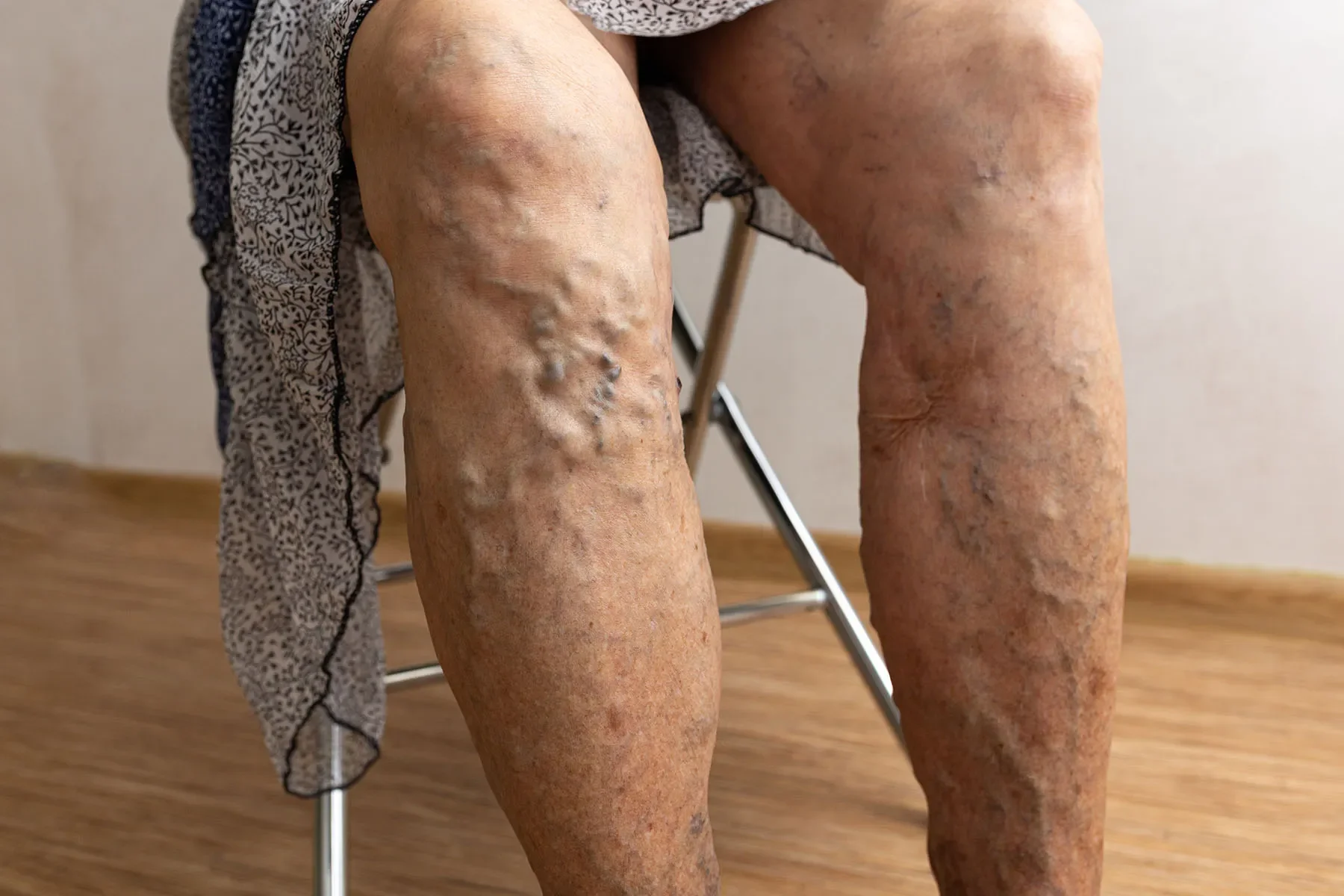
Varicose veins on an older adult’s leg.
Consider an evaluation if you experience:
Persistent or recurring leg pain or aching
Swelling around the ankles, feet, or lower legs
A heavy or tired feeling that worsens throughout the day
Itching, burning, or irritation around visible veins
Skin discoloration or changes in texture
Veins that are becoming larger, raised, or more noticeable
Symptoms that worsen after prolonged sitting or standing
These signs do not automatically mean you have a vein condition. They can have other causes, which is why a proper evaluation is more useful than trying to diagnose yourself based on symptoms alone.
🔍 What Can a Vein Specialist Look For?
A vein specialist looks beyond what can be seen on the surface. During an appointment, they may review your symptoms, medical history, and any factors that could affect circulation in your legs. One concern they may investigate is venous reflux, which occurs when valves inside the veins do not close properly and allow blood to move backward. This can contribute to pressure and blood pooling in the lower legs. If reflux or another circulation problem is present, addressing the underlying issue may be more important than simply treating the visible vessels.
🦵 When Is Leg Pain More Than Everyday Fatigue?
Leg discomfort after an unusually active day is common. What matters is whether the sensation keeps returning or follows a recognizable pattern. You may notice aching or heaviness after standing for several hours, discomfort that becomes stronger toward the evening, or symptoms that improve when you walk or elevate your legs. Recurring discomfort does not automatically point to a vein problem. Muscle, joint, nerve, and other health conditions can cause similar sensations. If the problem continues, a professional assessment can help narrow down the cause.
💧 Should Leg Swelling Be Checked?
Occasional swelling can happen after long periods of sitting, standing, travel, heat exposure, or physical activity. Regular swelling, particularly around the ankles and lower legs, deserves more attention. If it occurs alongside visible veins, heaviness, aching, or skin changes, it may be related to how blood is returning from the legs. Leg swelling can also have causes unrelated to the veins. That is why persistent or unexplained swelling should be assessed rather than automatically attributed to circulation.
🩻 What Happens During a Vein Evaluation?
A vein evaluation usually begins with a discussion about your symptoms. The provider may ask when they started, whether they affect one or both legs, what makes them worse, and whether movement or elevation changes how you feel. A physical examination can then help identify swelling, enlarged vessels, skin changes, and other signs.
When clinically appropriate, ultrasound imaging may be used to assess blood flow and look for abnormal reflux. This can help determine whether venous insufficiency is contributing to your symptoms. The findings give your provider a better understanding of what is happening beneath the skin and whether treatment should be considered.
💉 When Can an Evaluation Lead to Treatment?
Getting evaluated does not automatically mean you need a procedure. Some people may benefit from conservative measures such as regular movement, leg elevation, or compression when appropriate. Others may have an underlying problem that could benefit from a targeted treatment. Depending on the findings, options may include minimally invasive procedures designed to close abnormal veins or injections used for selected smaller vessels. The right approach depends on the source of the problem, your symptoms, and your overall vein health.
👀 Do Visible Veins Always Need Treatment?
No. Some people have prominent veins that cause no symptoms and remain stable over time. Treatment may be considered when the veins are painful, associated with swelling or other symptoms, progressively changing, or causing significant cosmetic concern. An evaluation can help distinguish between a condition that simply needs monitoring and one that may benefit from intervention. The goal is not to treat every visible vessel. It is to understand whether there is a problem that needs attention.
📍 When Should You Get Checked in Rancho Cucamonga?
If you have been searching for a vein specialist near me because your symptoms keep returning, an evaluation can help you move beyond guesswork. Whether you are dealing with persistent swelling, aching, heaviness, or changes in your visible veins, specialized care can help determine whether your symptoms are related to an underlying circulation problem. If you are looking for a doctor for varicose veins, choose a provider who takes time to evaluate the cause of your symptoms and explain your options rather than focusing only on appearance.
❓ Frequently Asked Questions
-
Consider an evaluation when leg pain, swelling, heaviness, itching, or skin changes keep returning or are becoming worse. Visible veins alone may not require treatment, but recurring symptoms can be a reason to investigate what is happening beneath the skin.
-
Persistent swelling, aching, heaviness, itching, skin changes, or increasingly prominent veins may justify specialized evaluation. These symptoms can have several possible causes, so an assessment is important before deciding whether they are vein-related.
-
Painful or progressively changing veins should be evaluated rather than ignored. Treatment may or may not be necessary, depending on the underlying cause, severity, symptoms, and overall vein health.
-
The appointment generally includes a review of your symptoms and medical history, followed by an examination of your legs. If appropriate, ultrasound may be used to assess blood flow and identify reflux or other abnormalities.
📍 Don't Ignore Persistent Leg Symptoms
You do not have to wait until discomfort or swelling starts interfering with your daily routine. Finding the cause early can help you understand whether your veins are involved and what options may be available.
If you are in Rancho Cucamonga or the surrounding areas, Inland Vein & Wound Specialists can provide a focused evaluation for persistent vein-related symptoms. Schedule your evaluation today and take the next step toward understanding your leg health.
