
What to Expect During Sclerotherapy: The Go-To Treatment for Spider Veins
🩺 What to Expect During Your Sclerotherapy Treatment
Sclerotherapy can sound intimidating until patients understand what actually happens during the visit. The treatment is usually quick, minimally invasive, and performed in a medical office without general anesthesia. It is commonly used for smaller varicose veins and visible surface vessels, helping affected veins close so blood naturally redirects through healthier pathways.
For many patients, the biggest uncertainty is not the treatment itself but the process around it: the evaluation, the injections, what it feels like, and how soon normal activities can resume. Knowing each step makes the experience feel clearer and more manageable.
💉 What Is Sclerotherapy?
Sclerotherapy is a medical treatment that uses a specialized solution injected directly into targeted veins. The solution irritates the inner lining of the vessel, causing it to collapse, seal, and gradually fade as the body reroutes circulation through healthier veins. The procedure targets veins that are no longer functioning properly or are visible near the skin’s surface. Once the treated vessel closes, it no longer carries blood, and circulation shifts to nearby healthy pathways. This treatment is often used for visible leg veins, small varicose vessels, and cosmetic surface concerns. It may also help improve symptoms linked to certain smaller vein problems, depending on the diagnosis. A good candidate is usually someone with visible veins, mild symptoms, or smaller affected vessels confirmed through evaluation. Patients with certain medical conditions, pregnancy, or clotting concerns may need a different treatment approach.
🏥 What Happens During the Procedure?
The treatment visit usually begins with assessment and preparation. The skin is cleaned, the target areas are identified, and the provider explains what will happen before injections begin.
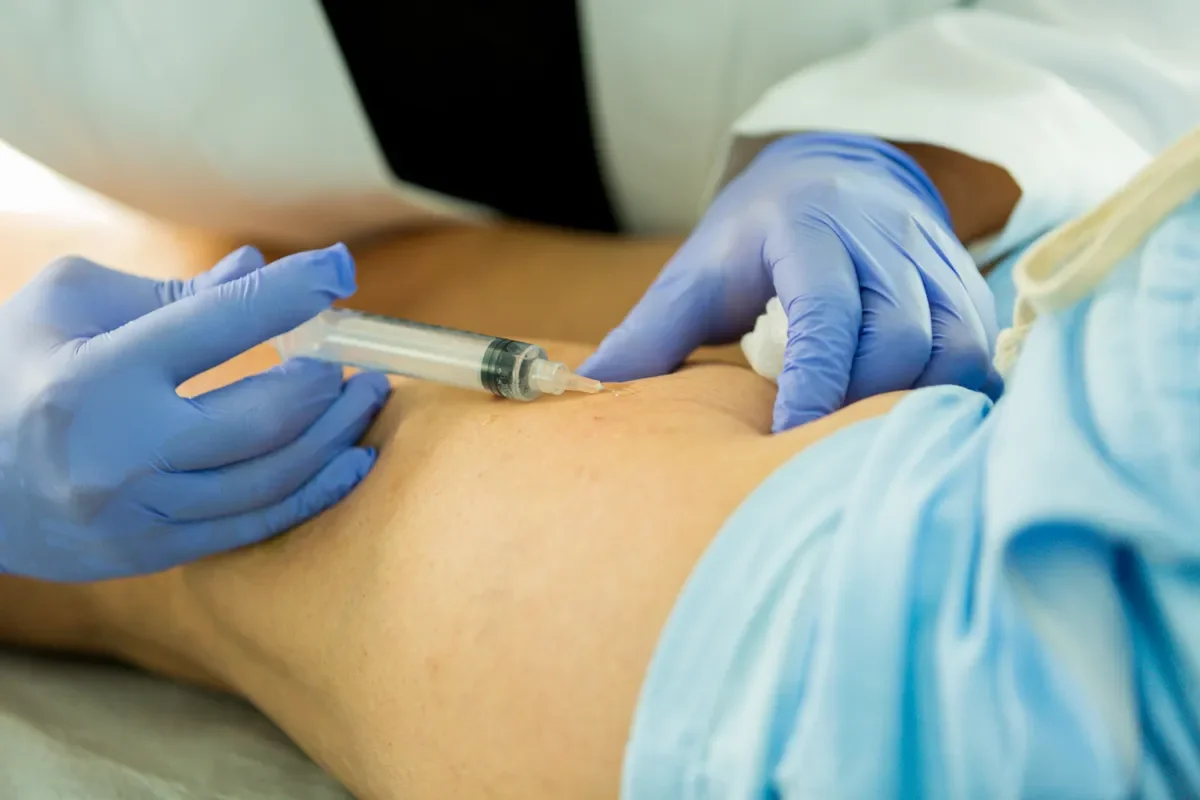
Medical professional performing sclerotherapy treatment on a patient's leg.
🔍 Initial Evaluation
Before treatment, the specialist examines the affected area and may use ultrasound if deeper circulation issues are suspected. This helps confirm whether spider vein injections are appropriate or whether another option would be more effective.
💉 The Injection Process
A very fine needle is used to place the solution into the targeted vessels. Patients may receive several small injections during one session, depending on how many areas need treatment.
⏱️ Treatment Duration
Most sessions are relatively short and are completed in-office. Cleveland Clinic notes that recovery is quick, although visible improvement can take weeks or months depending on the treated veins.
🙂 What Patients Feel During Treatment
Most patients tolerate the procedure well. The injections may cause a brief pinch, mild burning, or temporary cramping sensation, but discomfort is usually limited. The procedure does not usually require general anesthesia. Patients remain awake, and the treatment area is handled carefully to keep discomfort manageable. Temporary redness, bruising, swelling, tenderness, or discoloration can occur around treated areas. These effects are usually mild and improve as the treated vessels begin to close and fade. Many patients return to normal routines shortly after treatment. Walking is often encouraged, while strenuous activity, hot baths, or prolonged sun exposure may be restricted for a short period based on medical guidance.
📈 Results and Follow-Up Care
Results do not appear instantly. Treated veins fade gradually as the body absorbs them, and some areas may need more than one session for the best outcome. Mayo Clinic notes that some treated veins may need more than one injection session, and smaller treated veins often fade over the following weeks.
Follow-up care may include wearing compression stockings, walking regularly, and attending any recommended review appointments. This helps support circulation and allows the provider to monitor progress.
🏥 Why Inland Vein & Wound Specialists Recommends Sclerotherapy
Inland Vein & Wound Specialists recommends sclerotherapy for appropriate patients because it is targeted, minimally invasive, and effective for many visible vein concerns. The treatment allows specialists to address affected vessels without surgical incisions or extended downtime.
Its value comes from precision. When used after proper evaluation, this spider vein treatment can improve appearance, reduce selected symptoms, and support a more personalized vein care plan.
❓ FAQ Block
-
Most patients describe the sensation as a quick pinch, mild sting, or brief burning feeling during injection. Discomfort is usually temporary and does not require general anesthesia. Any tenderness afterward is typically mild and improves within a few days.
-
The number of sessions depends on the size, number, and location of treated veins. Some patients see improvement after one visit, while others need multiple sessions spaced apart. A provider can estimate this after evaluating the treatment area.
-
Visible improvement usually develops gradually rather than immediately. Smaller treated vessels may fade within weeks, while larger areas can take longer. Final results depend on the body’s healing response and whether additional sessions are needed.
-
Downtime is usually minimal, and many patients return to normal activities soon after the appointment. Walking is commonly encouraged, but strenuous workouts or heat exposure may be limited briefly. Specific aftercare instructions depend on the treatment plan.
