
Sclerotherapy Recovery Tips: How to Get the Best Results for Your Legs
🦵 Sclerotherapy Recovery: Best Tips for Your Legs
Sclerotherapy is one of the most commonly performed treatments for unwanted veins, helping improve both appearance and circulation-related symptoms. While the procedure itself is relatively quick, recovery plays a major role in achieving the best possible outcome.
The body's healing response continues long after treatment is complete. Following post-procedure recommendations carefully can help support better results, reduce side effects, and encourage treated veins to fade more effectively over time.
⏳ Why Recovery Matters After Sclerotherapy
The success of treatment does not depend solely on the procedure itself. What patients do during the recovery period can influence both cosmetic improvement and overall healing.
🩹 Healing Process Overview
During treatment, a specialized solution is injected into targeted veins, causing them to collapse and eventually be absorbed by the body. As circulation naturally redirects through healthier vessels, the treated veins gradually become less visible.
This process takes time and continues for weeks after the procedure. Most patients return to normal daily activities shortly after treatment. Mild bruising, discoloration, or tenderness may occur during the first several days.
Visible improvement often develops gradually rather than immediately. Depending on the size and type of vein treated, full results may take several weeks or even months to become apparent.
Temporary side effects are generally mild and may include:
Minor bruising around injection sites
Mild swelling or tenderness
Temporary skin discoloration
Itching or sensitivity near treated areas
These effects typically improve as healing progresses.
✅ Best Practices After Treatment
Following proper post treatment vein care recommendations can help maximize results, support healthy circulation, and encourage a smoother recovery process.
🧦 Wearing Compression Stockings
One of the most important aspects of recovery is wearing compression garments as directed. These stockings help support blood flow, reduce swelling, and encourage treated veins to close properly.
Many providers consider compression stockings after sclerotherapy an essential part of the recovery process because they help improve overall treatment outcomes.
🚶 Staying Active
Gentle walking is often encouraged immediately after treatment. Light activity helps maintain circulation and reduces the risk of blood pooling in the legs.
Short walks throughout the day are generally more beneficial than remaining inactive for extended periods.
🪑 Avoiding Prolonged Sitting
Remaining seated for long periods may slow circulation during recovery. Patients are often advised to stand, stretch, or walk periodically throughout the day.
These simple movements help support healthy blood flow while the body heals.
🚫 Activities to Limit During Recovery
Certain activities may interfere with healing or increase irritation during the recovery period.
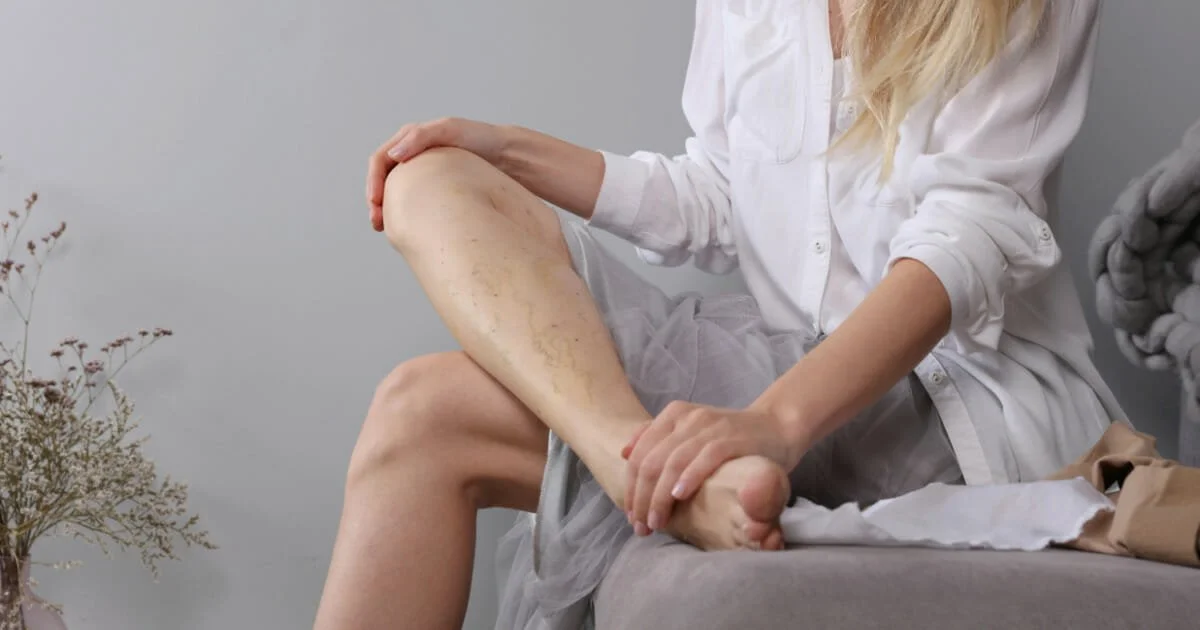
Woman examining her legs during recovery after sclerotherapy treatment.
☀️ Sun Exposure
Direct sunlight can sometimes contribute to prolonged discoloration in treated areas. Protecting the skin from excessive sun exposure may help reduce pigmentation changes while healing occurs.
🏃 Intense Exercise
Although light activity is encouraged, strenuous exercise may increase pressure within the veins during the early recovery period.
Patients are often advised to temporarily avoid high-impact workouts until approved by their provider.
♨️ Hot Tubs and Saunas
Excessive heat can cause blood vessels to dilate and may interfere with the healing process. Hot tubs, saunas, and prolonged hot baths are commonly restricted for a short period following treatment.
These precautions help support optimal recovery and improve final results.
🌟 How Recovery Supports Better Results
Successful healing involves more than simply waiting for treated veins to disappear. Consistent aftercare helps the body respond more effectively to treatment while reducing the likelihood of complications.
Many recommendations included in sclerotherapy recovery tips focus on supporting circulation and minimizing unnecessary stress on healing vessels.
Patients who follow post-procedure instructions carefully often experience smoother recovery and better long-term outcomes.
🏥 How Inland Vein & Wound Specialists Supports Recovery
Inland Vein & Wound Specialists provides patients with detailed recovery guidance tailored to their treatment plan. Through follow-up care, monitoring, and individualized recommendations, the clinic helps patients navigate each stage of healing and achieve the best possible outcome.
Their approach emphasizes patient education, proper aftercare, and ongoing support throughout the recovery process.
❤️ Supporting Long-Term Vein Health
Recovery is an important part of achieving successful treatment results. Small daily choices such as staying active, wearing compression garments, and avoiding activities that interfere with healing can make a meaningful difference.
For patients undergoing spider vein treatment recovery, following professional aftercare recommendations helps support both cosmetic improvement and long-term vascular health.
❓ Frequently Asked Questions
-
The recommended duration varies depending on the individual case and treatment area. Many patients wear them for several days to a few weeks following treatment. Following your provider's instructions is important for achieving the best outcome.
-
Light walking is usually encouraged immediately after treatment. More intense exercise may need to be postponed temporarily until healing progresses and your provider approves a return to full activity.
-
Most patients return to work the same day or within a day of treatment. Recovery is generally quick, especially for individuals with desk-based jobs or light physical demands.
-
Initial healing typically occurs within days, but visible improvement often develops over several weeks. Full results depend on the size of the treated veins and the body's natural healing response.
