
What Should You Expect After Varicose Vein Treatment?
What Should You Expect After Varicose Vein Treatment?
You may be relieved to have your treatment behind you, but it is normal to wonder what happens next. Will you be able to walk? How much bruising should you expect? When will the treated veins start to look different? The answers vary depending on whether you had RFA, laser ablation, or sclerotherapy, but most modern procedures do not require a lengthy hospital stay. Knowing what is normal afterward can help you feel more prepared and recognize when you should contact your provider.
🩺 What to Expect After Varicose Vein Treatment
So, what to expect after varicose vein treatment depends largely on the procedure performed and the veins that were treated. Some people experience very little discomfort, while others may notice temporary tenderness, bruising, tightness, or mild swelling. Your provider will give you specific instructions based on your procedure and medical history. These may include recommendations about activity, compression, wound care, medications, and follow-up appointments. The goal after treatment is not to make every treated vein disappear immediately. The body needs time to respond, and improvements in symptoms and appearance can happen gradually.
🚶 Walking and Activity After Treatment
Walking after vein treatment is commonly encouraged following many minimally invasive procedures. Gentle movement can support healthy circulation and is often preferable to sitting still for prolonged periods. Your provider may recommend taking short walks soon after treatment and continuing regular movement as you recover. At the same time, strenuous exercise, heavy lifting, or certain activities may need to be limited temporarily. How quickly you return to your usual routine depends on the procedure, the extent of treatment, and how you are feeling. Follow the activity instructions provided by your treating clinician rather than comparing your timeline with someone else's.
🧦 Are Compression Stockings Necessary?
Compression stockings may be recommended after certain procedures, depending on the treatment and your individual circumstances. They provide graduated pressure to the legs and may help manage temporary swelling or discomfort. Not every patient will need them for the same amount of time, and recommendations can vary by procedure. If compression is advised, your provider will explain how and when to wear the stockings and whether you need to use them during specific activities.
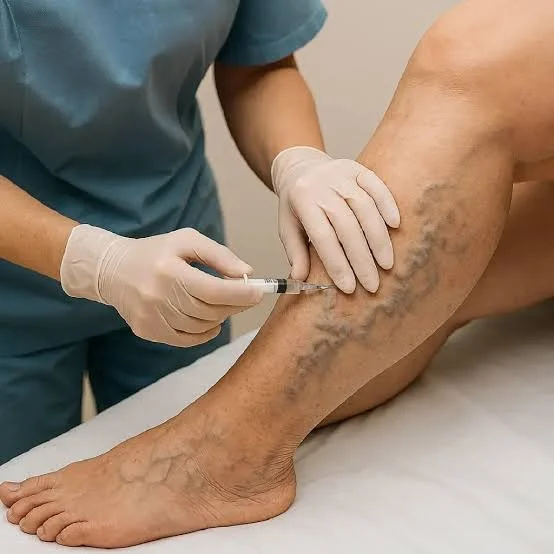
Healthcare provider performing a sclerotherapy injection into twisted varicose veins on a patient's lower leg
🔥 What Is RFA Recovery Like?
During RFA recovery, it is possible to experience mild soreness, tightness, bruising, or tenderness along the treated vein. These effects are generally temporary, but the experience varies between patients. Many people can walk soon after the procedure and gradually return to normal activities according to their provider's instructions. The treated vessel closes as intended, but the body still needs time to process the vessel and adjust to the change in blood flow. You may notice changes in how your leg feels before you notice a major difference in how it looks.
💡 What About Laser Ablation Recovery?
Laser ablation recovery can also involve temporary bruising, tenderness, tightness, or mild discomfort around the treated area. These effects can develop during the first several days and generally improve with time. Your provider may recommend walking regularly and avoiding certain strenuous activities for a period of time. The exact instructions depend on the treatment performed and your individual response. As with other procedures, the appearance of the treated vessels may improve progressively rather than changing immediately.
💉What Happens After Sclerotherapy?
Sclerotherapy recovery is often relatively straightforward, but temporary bruising, redness, tenderness, or localized swelling can occur around the treated vessels. The treated veins do not necessarily disappear as soon as the injections are completed. They can gradually become less noticeable as the body responds to the treatment. Depending on the number and type of vessels treated, more than one session may sometimes be recommended. Your provider will explain what you can expect during the days and weeks following treatment.
🩹 Bruising, Swelling, and Discomfort
Bruising is a common temporary effect after some vein procedures, particularly around areas where the vein was accessed or injected. You may also notice tenderness or a mild pulling or tight sensation along a treated vessel. Some swelling or localized discomfort can occur as the area heals. These symptoms should generally follow the pattern your provider describes and gradually improve. If symptoms are becoming significantly worse rather than improving, or if something feels unusual or concerning, contact your treating provider for guidance.
🩺 What Does Post Procedure Care Involve?
Post procedure care varies according to the treatment you received. Your instructions may include keeping the treatment area clean, staying active with gentle walking, wearing compression if recommended, and temporarily modifying certain activities. You may also receive guidance about medications, bathing, exercise, and when to return for an assessment. Following these instructions can help support healing and give your provider a clearer picture of how the treated area is responding. Do not hesitate to ask questions if you are unsure about something. It is better to clarify your instructions than to guess.
🔎 When Will You See Results?
One of the biggest misconceptions about treatment is expecting an instant visual change. Some symptoms may improve relatively soon, while visible changes can take longer. With ablation, the targeted vessel is closed during treatment, but the body gradually processes the treated vein. With sclerotherapy, smaller vessels can also fade progressively rather than disappearing immediately. Your final results depend on the type and number of veins treated, the condition being addressed, and your individual response. Treatment targets specific problematic vessels, but it does not prevent every new visible vein from developing in the future.
📅 Why Is Follow-Up Important?
A follow-up visit gives your provider an opportunity to assess how you are doing and determine whether the treated area is responding as expected. A follow-up ultrasound may be recommended after certain procedures to evaluate the treated vessel and surrounding blood flow. Not every patient will need the same follow-up testing, so your schedule will depend on the procedure and your individual situation. Follow-up is also a good time to discuss any ongoing symptoms, concerns about appearance, or questions about additional treatment.
📞 When Should You Call Your Provider?
Most post-treatment symptoms are temporary, but you should contact your clinic if you develop symptoms that are severe, persistent, or getting worse rather than improving. Significant or increasing pain, substantial swelling, signs of infection around the treatment area, or other symptoms that concern you should be discussed with your treating provider. If you experience a sudden or severe change in your condition, seek prompt medical attention. Your provider knows which procedure you received and can give you the most appropriate advice about symptoms during your recovery.
📍 Give Your Body Time to Respond
The results of varicose vein treatment are not always visible immediately. The targeted vessels may gradually become less noticeable, while symptoms can improve over time as circulation adjusts. Whether you had RFA, laser ablation, or sclerotherapy, following your individual care instructions and attending recommended follow-up appointments can help you understand how your treatment is progressing. If you are considering treatment in Rancho Cucamonga, a personalized evaluation can help you understand not only which procedure may be appropriate, but also what to realistically expect afterward. Schedule an evaluation to discuss your treatment options and what your individual recovery and follow-up may look like.
❓ Frequently Asked Questions
-
Walking is commonly part of post-procedure care after many minimally invasive vein treatments, but patients should follow the specific instructions provided by their treating clinician.
-
Some bruising, tenderness, or localized discomfort can occur depending on the procedure. Persistent or concerning symptoms should be discussed with the treating provider.
-
Not always. Some veins become less visible gradually as the body responds to treatment, and the timeline varies by procedure and individual patient.
