
Leg Pain, Heaviness, or Swelling: Could Your Veins Be the Cause?
Leg Pain, Heaviness, or Swelling: Could Veins Be the Cause?
Your legs can feel tired after a long day. But if the aching, heaviness, or swelling keeps coming back, especially after hours of sitting or standing, it may be worth looking into what is happening with your circulation. Vein problems can contribute to these symptoms, but they are not the only possible cause. Understanding the pattern of your symptoms can help determine when it is time to get them checked.
🩺 Can Vein Pain Cause Leg Discomfort?
Vein-related discomfort can feel different from ordinary muscle soreness. Some people describe an aching, throbbing, or uncomfortable sensation that becomes more noticeable later in the day. Symptoms may also become more noticeable after prolonged standing or sitting. Movement or elevating the legs may provide some relief because these activities can support the return of blood toward the heart. This does not mean every episode of vein pain is caused by a vein condition. Muscle strain, joint problems, nerve issues, and other health conditions can also cause discomfort in the legs.
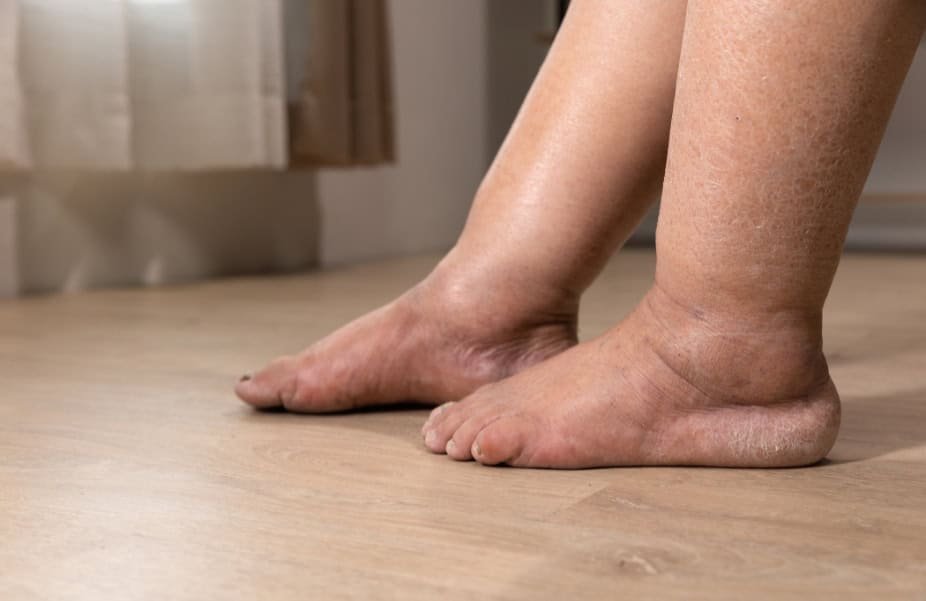
Swollen feet in woman
🦵 How Can Leg Pain From Veins Develop?
The veins in your legs have valves that help keep blood moving upward toward the heart. When those valves do not work properly, blood can flow backward and collect in the lower legs. This backward movement is called venous reflux. Over time, it can increase pressure inside the veins and contribute to aching, heaviness, swelling, and visible changes. People with venous insufficiency may notice that symptoms become more pronounced as the day goes on. However, the severity and pattern can vary from one person to another.
💧 Can Varicose Veins Cause Swelling?
They can. Enlarged veins may occur alongside swelling, particularly around the ankles and lower legs. When blood is not returning efficiently, fluid can move into surrounding tissue and contribute to swelling. You may notice that your shoes or socks feel tighter toward the end of the day or that the swelling improves after resting with your legs elevated.
However, swollen legs can have many causes. Medication, injury, heart or kidney problems, lymphatic conditions, and other health issues can also contribute to swelling. That is why recurring swelling should not automatically be blamed on visible veins.
🔍 Why Do My Legs Feel Heavy?
Leg heaviness is a common complaint among people experiencing circulation problems, but it can be difficult to describe because there may not be sharp pain. Your legs may simply feel tired, weighted down, or less comfortable than usual. Some people notice this after spending much of the day on their feet, while others experience it after sitting for long periods. If the feeling is persistent or regularly occurs alongside swelling, aching, itching, or visible veins, a professional assessment may help determine whether your blood flow is contributing to the problem.
🩻 What Happens During a Vein Evaluation?
A vein evaluation typically starts with questions about your symptoms and medical history. A specialist may ask when the discomfort began, whether it affects one or both legs, what makes it worse, and whether movement or elevation provides relief. Your legs may also be examined for swelling, enlarged vessels, skin changes, and other signs. When appropriate, ultrasound imaging can be used to assess blood flow and determine whether abnormal backward movement is present. This can help identify whether a vein problem is contributing to your symptoms and whether further care may be appropriate.
🚩 When Should Leg Symptoms Be Checked?
Occasional discomfort after exercise or an unusually long day does not necessarily mean something is wrong with your veins. It is worth considering an evaluation when symptoms are recurring, becoming more noticeable, or affecting your daily activities. This is especially true when discomfort occurs together with swelling, visible veins, itching, or changes in the skin.
Sudden or severe swelling, particularly when it affects one leg and occurs with significant pain or other concerning symptoms, should receive prompt medical attention rather than being assumed to be a vein problem.
🎯 What If Veins Are Contributing to the Problem?
Treatment depends on what the evaluation finds. Some people may benefit from conservative measures such as regular movement, avoiding prolonged periods in one position, leg elevation, or compression when medically appropriate. Others may have an underlying problem that requires a more targeted approach.
A vein specialist can determine whether the symptoms are related to reflux or another venous condition and explain which options may be appropriate. The goal is not simply to treat a visible vein. It is to understand why the symptoms are occurring and address the underlying problem when one is present.
❓ Frequently Asked Questions
-
Yes. Problems with blood returning from the legs can contribute to aching, throbbing, heaviness, or discomfort. However, leg pain has many possible causes, so recurring symptoms should be evaluated rather than automatically attributed to the veins.
-
They can be associated with swelling, particularly around the ankles and lower legs. When blood pools in the legs, pressure can increase and contribute to fluid collecting in nearby tissue.
-
Heavy or tired-feeling legs can occur for several reasons, including prolonged standing, physical strain, and circulation problems. When heaviness repeatedly occurs with swelling, aching, or visible veins, a vein evaluation may help identify the cause.
-
Consider professional evaluation when symptoms are persistent, recurring, worsening, or affecting your daily activities. Sudden or severe swelling or pain, especially in one leg, should be assessed promptly.
📍 Get Your Leg Symptoms Evaluated
Persistent aching, heaviness, or swelling is worth paying attention to, especially when it keeps returning or gets worse throughout the day. A proper evaluation can help determine whether your veins are contributing to the problem and what options may help. At Inland Vein & Wound Specialists, you can get a focused evaluation to understand what is behind your symptoms and whether further vein care is appropriate.
Schedule an evaluation today and take the first step toward understanding your leg symptoms.
