⏳ How Long Do Varicose Veins Take to Disappear After Treatment?
A common situation after vein treatment: the procedure is over, the leg feels different, but the bulging vein is still visible. Some patients expect the vein to disappear within a few days. Others become concerned when they can still feel a firm area beneath the skin several weeks later.
Neither situation necessarily means the treatment has failed.
The time required for varicose veins to disappear depends largely on how they were treated. Radiofrequency Ablation closes an incompetent vein from within, while sclerotherapy triggers a chemical reaction that causes the treated vessel to seal and gradually be absorbed. These processes do not produce immediate cosmetic changes.
There is also an important distinction between closing the vein responsible for abnormal blood flow and eliminating every visible varicose vein on the leg. A procedure may successfully correct venous reflux while smaller branches remain visible and require separate treatment.
So, how long do varicose veins take to disappear? The answer depends on the procedure, the size and location of the veins, and how the body responds during healing.
🔬 Why Don't Varicose Veins Disappear Immediately After Treatment?
To understand the timeline, it helps to look at what actually happens inside the vein.
Varicose veins develop when superficial venous valves stop functioning properly. Instead of moving blood efficiently toward the heart, these valves allow backward flow, known as venous reflux. Pressure builds inside the affected vessel, causing it to enlarge and become visible beneath the skin.
Treatments such as Radiofrequency Ablation do not physically pull the vein out of the leg. They close the incompetent vessel, interrupting the abnormal blood flow. The body then gradually replaces the treated tissue through a process called fibrosis.
This takes time. Even after the vein has successfully closed, it may remain palpable beneath the skin. Inflammation, trapped blood, and tissue remodeling can temporarily make the treated area feel firm or look more prominent than expected.
There is another important distinction: the vein responsible for reflux may be different from the large visible branches that developed because of increased pressure. Closing the source of reflux does not automatically eliminate every enlarged tributary.
⏱️ How Long Do Different Vein Treatments Take to Show Results?
The timeline depends on the technique used and the type of vessel being treated. Three commonly used approaches have different mechanisms and healing patterns.
Treatment Options
Vein Treatments and What to Expect
Radiofrequency Ablation (RFA)
Radiofrequency Ablation is primarily used to close incompetent superficial veins, such as the great saphenous vein. A catheter delivers controlled thermal energy to the vessel wall, causing the vein to contract and seal.
Patients may begin noticing improvements in leg heaviness and other circulation-related symptoms within the first few weeks. However, the cosmetic result develops more gradually.
Over the following weeks and months, the body remodels and absorbs the closed vessel. Smaller varicose branches connected to the treated vein may become less prominent as abnormal pressure decreases.
Some larger tributary veins remain visible and may require additional treatment. This does not necessarily indicate that the original ablation was unsuccessful.
Patients considering this approach can explore the details of Radiofrequency Ablation for varicose veins.
- First few weeksLeg heaviness and circulation-related symptoms may improve
- Weeks to monthsClosed vein is remodeled and absorbed; smaller branches may fade
Varithena® Foam Sclerotherapy
Varithena uses an injectable polidocanol microfoam that damages the inner lining of the targeted vein, causing its walls to seal together.
The treated vessel gradually becomes fibrotic and is absorbed by the body. During this process, it may initially feel firm or appear darker beneath the skin.
Visible changes generally develop over several weeks to months. Larger treated veins can take longer to flatten and become less noticeable.
The final cosmetic result depends on the size and location of the vessel, the extent of venous disease, and the body’s response to treatment.
- EarlyTreated vein may feel firm or look darker under the skin
- Weeks to monthsVisible changes develop; larger veins take longer to flatten
Ultrasound-Guided Sclerotherapy
This technique is commonly used for deeper or residual varicose veins that cannot be adequately assessed by visual inspection alone.
Ultrasound allows the physician to locate the target vessel, monitor needle placement, and observe the distribution of the injected sclerosant.
Smaller treated vessels may become less visible within several weeks, while larger veins can take several months to resolve. More than one session may be necessary when multiple vessels are involved.
- Several weeksSmaller treated vessels may become less visible
- Several monthsLarger veins resolve; more than one session may be needed
📅 What Can You Expect During the Healing Process?
Although every patient heals differently, the following progression illustrates what may happen after minimally invasive vein treatment.
First few days: Bruising, tenderness, and mild swelling may develop around the treated area. The vein may still look prominent.
First 2–4 weeks: The treated vessel may feel like a firm cord beneath the skin. Some patients notice reduced leg heaviness, while localized inflammation or discoloration remains.
One to three months: The treated vessel continues to undergo fibrosis and gradual absorption. Larger veins may become flatter and less noticeable. Additional treatment may be considered if residual varicosities remain.
Three to six months: Further cosmetic improvement may occur, particularly after sclerotherapy of larger veins. Persistent visible vessels can be reassessed to determine whether they represent untreated branches, residual reflux, or another source of venous disease.
These are general reference periods, not guaranteed deadlines. Different procedures and individual clinical circumstances produce different recovery patterns.
INLAND VEIN & WOUND SPECIALISTS
Have a Question?
Concerned about varicose veins, spider veins or a slow-healing wound? Talk to our team about your treatment options and take the next step toward healthier legs.
Inland Vein & Wound Specialists – Rancho Cucamonga, CA
🧬 What Factors Affect Varicose Vein Treatment Results?
Two patients can undergo the same procedure and experience noticeably different cosmetic results. The reason is that vein treatment involves more than simply closing a vessel.
Several factors influence how quickly visible veins improve:
Vein diameter: Larger vessels generally require more time to become less noticeable than smaller superficial veins.
Vein anatomy: Tortuous vessels, branching veins, and multiple sources of reflux can complicate treatment and affect the final appearance.
Extent of venous insufficiency: Patients with more extensive disease may need a combination of procedures rather than a single intervention.
Previous vein treatments: Previously treated vessels and recurrent varicosities may require a different approach.
Individual healing response: Inflammation, tissue remodeling, and the rate of absorption vary between patients.
Underlying circulation: Persistent reflux in untreated veins can contribute to continuing symptoms and the development of additional varicosities.
Age alone does not determine how quickly veins disappear. Overall vascular health, medical history, and the characteristics of the treated vessels are more useful considerations when planning treatment.
👀 Why Are Some Veins Still Visible After Successful Treatment?
This is one of the most misunderstood aspects of varicose vein treatment.
A physician may successfully close the great saphenous vein, yet the patient can still see enlarged veins along the calf or thigh. There are several possible explanations.
First, some visible branches may not have been included in the original treatment. Second, existing varicose veins may not shrink sufficiently after the source of reflux is eliminated. Third, other incompetent veins may continue to contribute to abnormal blood flow.
There is also a difference between residual varicosities and recurrent varicose veins. Residual veins were present before treatment but remained afterward. Recurrent veins develop or become problematic following an initially successful intervention.
These situations require different clinical assessments. A duplex ultrasound can help determine whether the original treated vein remains closed, whether reflux persists elsewhere, or whether another vessel is responsible for the visible changes.
Additional treatment may be appropriate, but it should be based on the actual source of the problem rather than appearance alone.
⚠️ When Should You Be Concerned About Slow Healing?
Not every persistent lump or discoloration indicates a complication. After ablation or sclerotherapy, treated vessels can remain firm and tender during the healing process.
However, increasing pain, progressive one-sided leg swelling, significant redness, or warmth extending beyond the treatment area should be evaluated promptly.
Sudden chest pain, shortness of breath, coughing up blood, or fainting requires emergency medical attention because these symptoms may indicate pulmonary embolism.
Patients should also seek evaluation if their original symptoms persist or worsen rather than gradually improving. An ultrasound examination can help distinguish normal post-treatment changes from persistent venous reflux or thrombosis.
PATIENT SUPPORT
WE'RE HERE TO HELP
Have Questions About Your Vein Health?
Whether you're exploring treatment options or ready to schedule a consultation, our team is here to help you take the next step.
📍 Getting Realistic Expectations From Vein Treatment
The disappearance of visible varicose veins is not an overnight process. Radiofrequency Ablation, Varithena, and ultrasound-guided sclerotherapy each work differently, and the body needs time to respond to treatment.
A successful procedure should be assessed by more than cosmetic appearance. Closing the source of venous reflux, improving circulation-related symptoms, and addressing remaining abnormal vessels are all important parts of treatment.
At Inland Vein & Wound Specialists in Rancho Cucamonga, California, patients can receive a professional vein evaluation to determine the extent of venous disease and discuss appropriate treatment options.
If varicose veins remain visible after a procedure or leg symptoms have not improved as expected, a follow-up assessment can help establish whether additional treatment is necessary. The goal is not simply to make veins disappear, but to address the underlying circulation problem and achieve a result that is both clinically appropriate and meaningful to the patient.
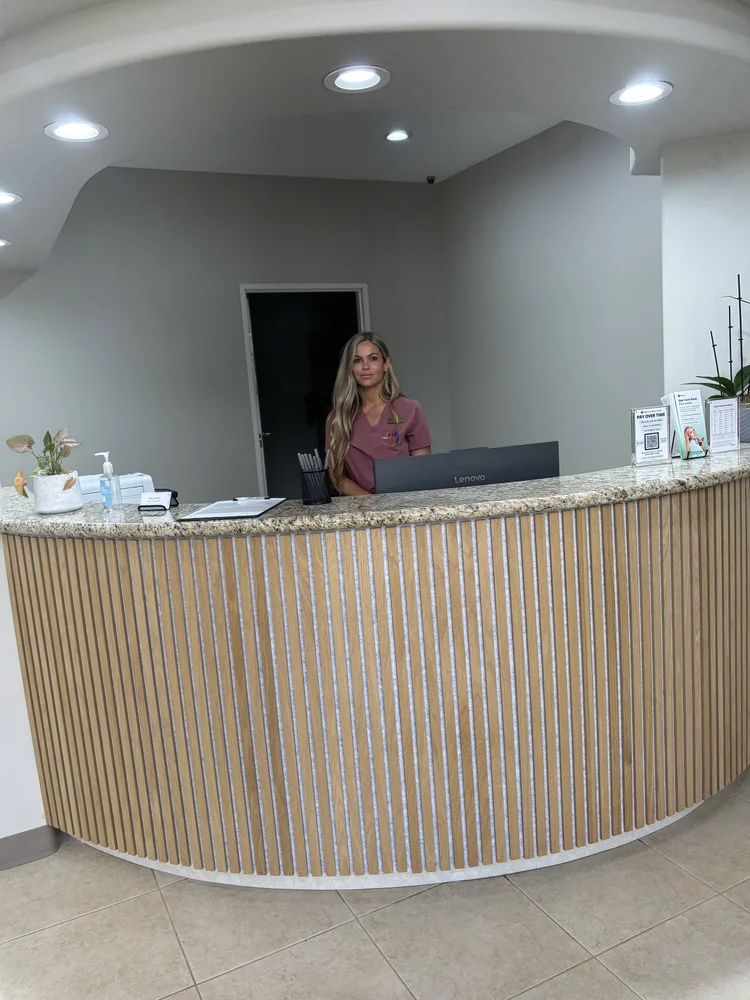
Written by
Whitney Gregory
MEDICAL PROFESSIONAL | CLINICAL TEAM
Whitney is a medical professional on the clinical team at Inland Vein & Wound Specialists. She works with patients every day and shares clear, practical information to help you understand your vein health and feel confident about your care.
Inland Vein & Wound Specialists
Rancho Cucamonga, CA
