
Can Poor Circulation Cause Cold Feet?
Can Poor Circulation Be Causing Your Cold Feet?
Cold feet are easy to blame on the weather, shoes, or sitting too long. But when your feet feel cold often, especially if one foot feels colder than the other, circulation may need a closer look. Not every case is serious. Still, persistent coldness can sometimes point to poor blood flow, nerve issues, or vascular disease. The goal is to understand the pattern instead of guessing at the cause.
🧊 Why Your Feet Feel Cold
Your feet may feel cold for simple reasons, such as low room temperature, tight footwear, stress, or staying still for long periods. In these cases, the cold feeling usually improves with warmth, movement, or a change in position. Other cold feet causes may involve circulation, nerve function, certain medications, diabetes, thyroid issues, or artery problems. If the symptom keeps returning, feels worse on one side, or appears with pain, numbness, color changes, or wounds, it should be evaluated.
🩸 When Poor Circulation Is the Cause
Searches like cold feet poor circulation are common because many people notice their feet feel colder when blood flow is not working well. Poor circulation symptoms can include coldness, numbness, tingling, cramping, leg fatigue, color changes, or pain with walking.
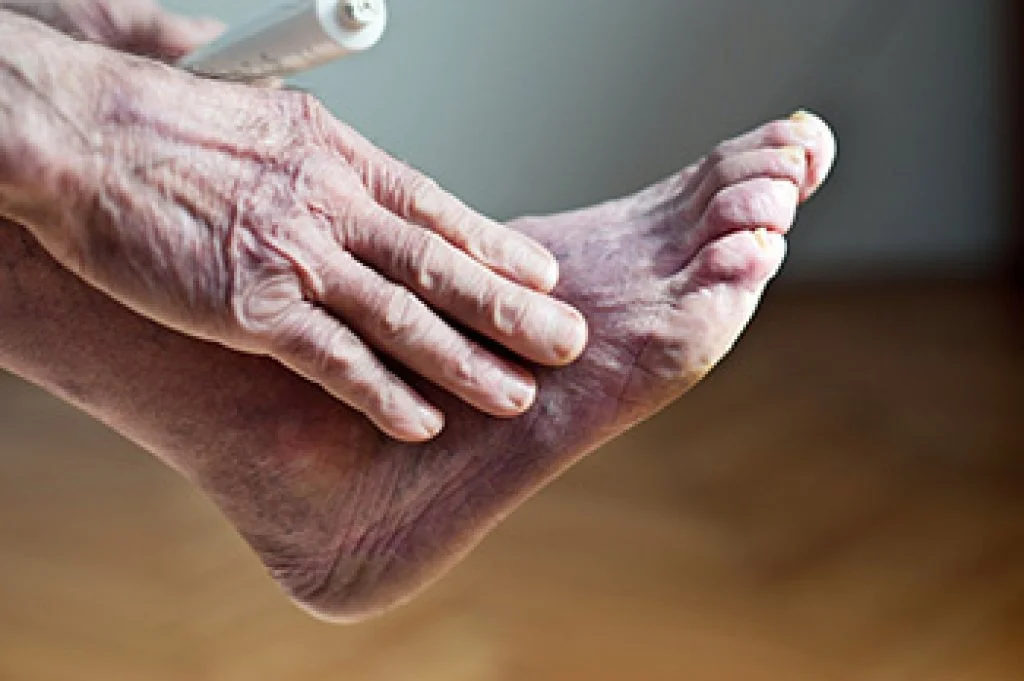
Close-up of swollen feet and ankles.
Reduced Blood Flow
Your feet need steady blood flow to stay warm and healthy. When less blood reaches the lower legs or feet, the tissue may feel cold, numb, weak, or uncomfortable. Reduced blood flow can happen for different reasons. Sometimes it is related to artery disease, where narrowed arteries limit blood reaching the feet. In other cases, circulation problems may involve the veins, where blood has trouble returning from the legs back to the heart.
Vein Disease Versus Artery Disease
Veins and arteries do different jobs. Arteries carry oxygen-rich blood from the heart to the legs and feet. Veins carry blood back from the legs toward the heart. Cold feet are more commonly linked with artery-related circulation problems, especially when the coldness is one-sided, painful, or appears with walking discomfort. Vein disease symptoms often include leg heaviness, swelling, aching, visible veins, itching, skin discoloration, or discomfort that worsens after sitting or standing. Because symptoms can overlap, a proper evaluation helps determine whether the concern is venous, arterial, nerve-related, or caused by another health issue.
Symptoms That Require Evaluation
Cold feet should be checked when the symptom keeps returning, affects one side more than the other, or appears with pain, numbness, tingling, leg weakness, color changes, swelling, visible veins, or slow-healing wounds. You should also seek prompt medical attention if the foot becomes suddenly cold, pale, blue, painful, or difficult to move. Sudden changes may point to a more urgent circulation problem.
🔍 How Specialists Diagnose Circulation Problems
A specialist will usually start by reviewing your symptoms, medical history, risk factors, and when the cold feeling appears. They may ask whether symptoms happen at rest, during walking, after standing, or after sitting for long periods.
The exam may include checking pulses, skin color, temperature, swelling, visible veins, and signs of skin damage. Depending on the findings, testing may be recommended to check blood flow. This may include ultrasound imaging for vein function or other vascular testing when artery disease is suspected. The purpose of diagnosis is to avoid assuming all cold feet are caused by the same problem. Once the source is clearer, treatment can be matched to the actual circulation issue.
✅ Treatment Options for Better Leg Circulation
Treatment depends on what is causing the cold feet. If the issue is mild and related to inactivity, habits such as walking, stretching, staying hydrated, avoiding long periods in one position, and keeping the feet warm may help.
If symptoms are related to vein problems, care may include leg elevation, compression therapy, movement guidance, and treatment for damaged veins when needed. If artery disease or another condition is suspected, the patient may need additional vascular evaluation and medical management. A specialist can help identify whether the problem is coming from veins, arteries, nerves, or another cause. The right plan can support better comfort, improve circulation, and reduce the risk of symptoms being ignored until they become more serious.
❓ Frequently Asked Questions
-
Vein disease is not always the main cause of cold feet, but it can contribute to circulation-related discomfort in the legs. If cold feet appear with swelling, heaviness, aching, visible veins, or skin changes, a vein evaluation may be helpful.
-
No. Cold feet can also be caused by cold weather, tight shoes, nerve issues, medications, diabetes, thyroid problems, or other health conditions. Persistent symptoms should be checked to identify the cause.
-
Arteries bring blood from the heart to the legs and feet, while veins return blood back to the heart. Artery problems often affect blood supply to the feet, while vein problems often cause swelling, heaviness, aching, visible veins, and skin changes.
-
You should seek medical evaluation if cold feet keep returning, affect one side more than the other, appear with pain or numbness, or come with color changes, swelling, visible veins, or slow-healing wounds.
