
When to Visit a Vein Treatment Center in California
Many people notice visible veins on their legs and assume they are only a cosmetic issue. While some vein conditions primarily affect appearance, others may signal underlying circulation problems that can worsen over time. The challenge is knowing when a seemingly harmless change deserves medical attention.
Knowing the difference between minor cosmetic vein changes and signs of progressive vascular disease can help patients seek care before symptoms become more serious. Early evaluation often provides access to more treatment options and can improve long-term outcomes.
🕸️ The Difference Between Varicose and Spider Veins
Although both conditions involve visible veins, they differ in appearance, size, symptoms, and potential health implications.
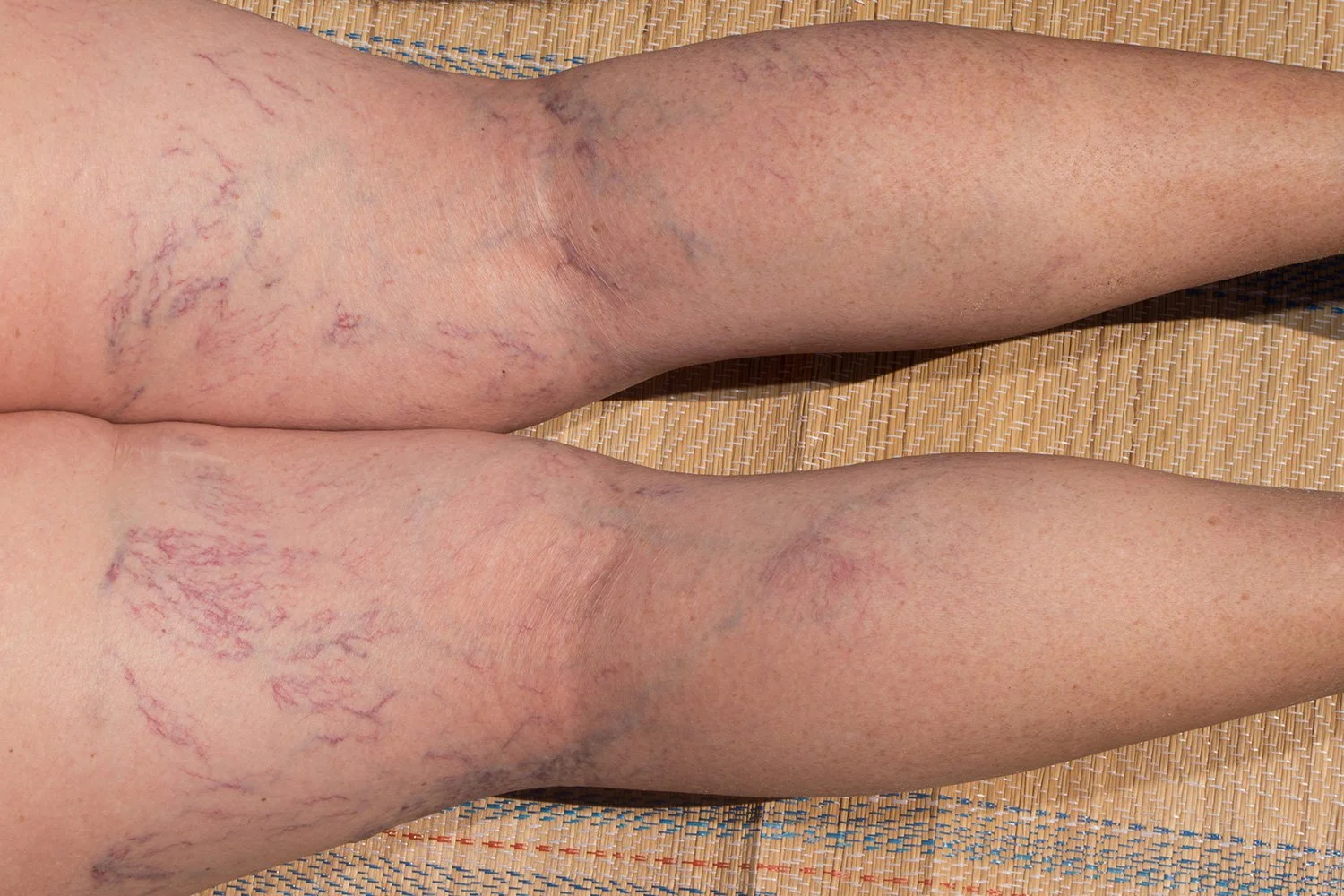
Spider veins visible on the backs of a patient's legs.
What Are Spider Veins?
Small, thin veins that appear close to the skin's surface are commonly known as spider veins. They often form web-like patterns and may appear red, blue, or purple. These superficial vessels are usually found on the legs and sometimes on the face.
Many people seek treatment because of their appearance, though some individuals may also experience mild burning, itching, or discomfort around the affected area.
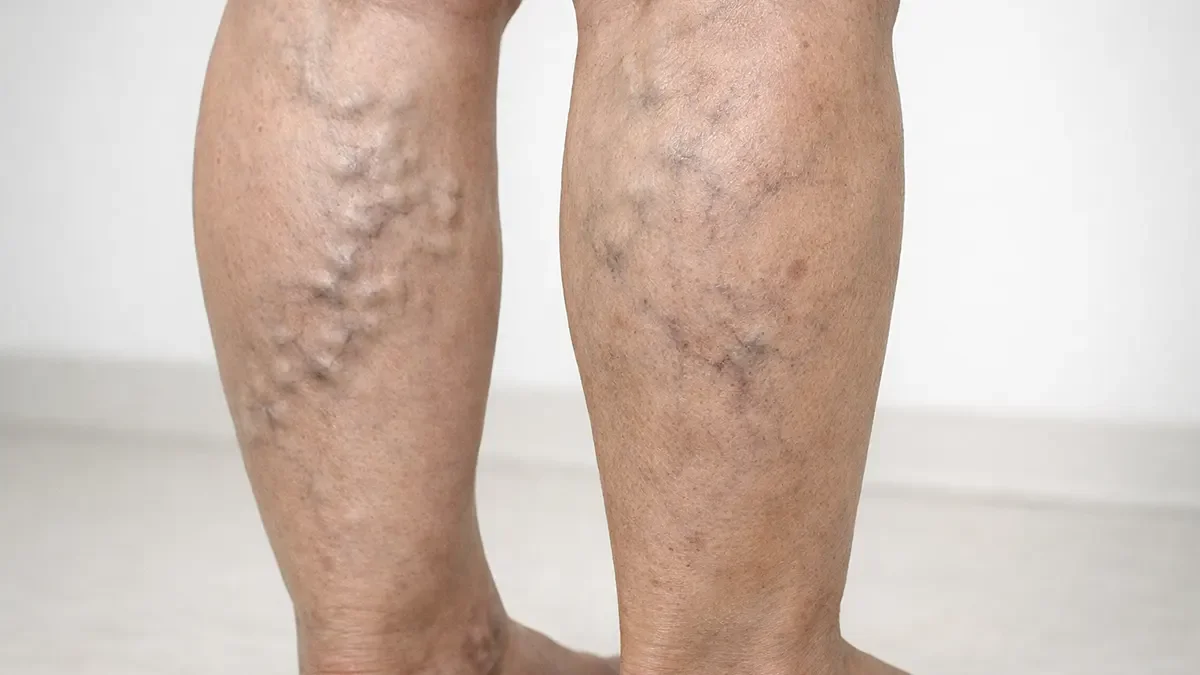
Bulging varicose veins visible on the back of a patient's legs.
What Are Varicose Veins?
Varicose veins are larger, enlarged vessels that often appear twisted, bulging, or raised beneath the skin. They most commonly develop in the legs due to increased pressure within the lower extremity veins.
Unlike smaller surface vessels, these enlarged veins are more frequently associated with symptoms such as aching, heaviness, swelling, and fatigue.
Common Causes of Both Conditions
Both conditions often develop when vein valves weaken and blood begins to pool rather than flowing efficiently toward the heart. Several factors can increase the likelihood of developing visible vein issues, including:
Family history of vein disease
Pregnancy and hormonal changes
Prolonged standing or sitting
Aging and reduced vein elasticity
Excess body weight
Limited physical activity
When researching spider veins vs varicose veins, it becomes clear that both conditions share similar underlying causes even though their appearance and severity may differ.
⚠️ Symptoms That Shouldn't Be Ignored
Visible veins are not always the most important sign. In many cases, symptoms reveal more about circulation health than appearance alone.
Persistent aching, throbbing, or a feeling of heaviness in the legs can indicate underlying circulation dysfunction. Symptoms often become more noticeable after standing for long periods or later in the day.
These are among the most common vein disease symptoms that prompt patients to seek medical evaluation. Fluid accumulation around the ankles, calves, or lower legs may occur when blood struggles to return efficiently to the heart. Swelling that repeatedly returns should not be dismissed as simple fatigue or aging. Many patients notice that symptoms improve temporarily when the legs are elevated. As circulation problems progress, the skin may begin to show signs of chronic pressure. Discoloration, irritation, dryness, or thickening around the ankles can signal a more advanced condition.
These changes often develop gradually, making them easy to overlook until they become more noticeable.
🩺 When Cosmetic Concerns Become Medical Concerns
Not every visible vein requires treatment, but some conditions can evolve beyond appearance-related concerns.
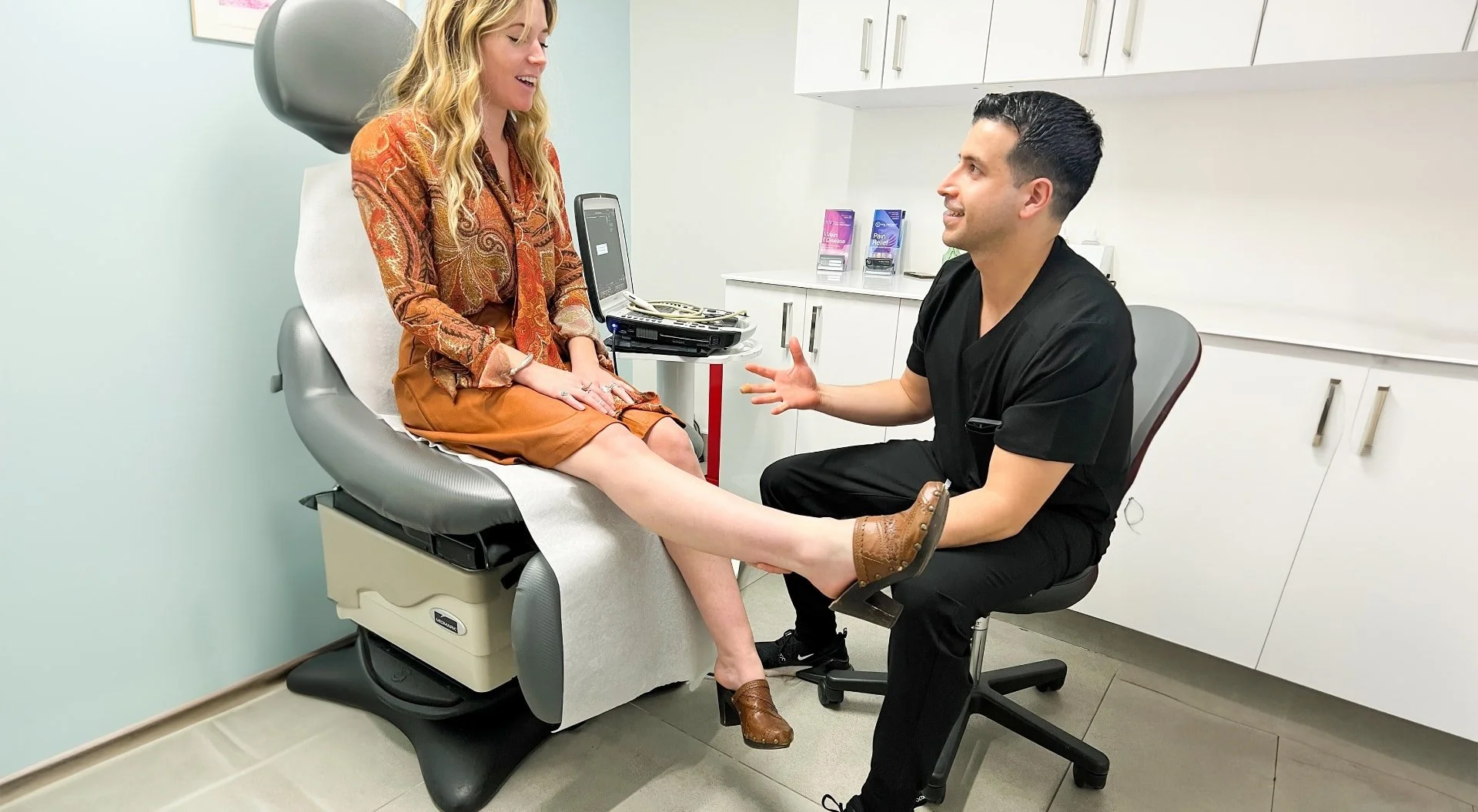
Patient consulting with a vein specialist during a vascular evaluation.
Progression of Vein Disease
Vein disorders are often progressive. What begins as mild discomfort or visible surface changes may gradually worsen as circulation becomes less efficient.
Without treatment, symptoms may become more frequent and increasingly difficult to manage.
Potential Complications
Advanced vein disease can contribute to chronic swelling, skin changes, inflammation, and in some cases, venous ulcers. These complications are more likely when circulation issues remain untreated for extended periods.
While not everyone develops severe symptoms, monitoring progression is important.
Importance of Early Evaluation
Many people wait until symptoms interfere with daily activities before seeking care. However, early assessment often allows physicians to identify circulation problems before complications develop.
Patients wondering when to see a vein doctor should consider scheduling an evaluation if they experience persistent discomfort, swelling, heaviness, skin changes, or worsening visible veins.
🏥 How Inland Vein & Wound Specialists Can Help
Inland Vein & Wound Specialists provides comprehensive evaluations for patients experiencing visible vein concerns, leg discomfort, swelling, and other circulation-related symptoms. Using advanced diagnostic imaging and minimally invasive treatment options, the practice focuses on identifying the underlying cause of symptoms rather than simply addressing surface appearance.
As a specialized vein treatment center, the clinic evaluates both cosmetic and medical vein conditions to help patients understand their diagnosis and available treatment options.
❤️ Recognizing When It's Time to Seek Care
Many people live with vein symptoms for years without realizing they may be related to an underlying circulation disorder. Visible veins alone do not always indicate serious disease, but symptoms such as heaviness, swelling, discomfort, and skin changes deserve attention. Seeking evaluation early allows patients to better understand their vascular health and explore treatment options before symptoms progress further.
❓ Frequently Asked Questions
-
Small visible surface veins are often harmless, but they can occasionally indicate underlying circulation problems. If they are accompanied by discomfort, swelling, or other symptoms, a medical evaluation may be appropriate.
-
Yes. Vein disease is typically progressive, meaning symptoms and visible changes may worsen without treatment. Early intervention can often help manage symptoms and slow progression.
-
You should consider evaluation if you experience persistent leg discomfort, swelling, heaviness, skin changes, or worsening visible veins. These symptoms may indicate an underlying circulation issue.
-
Not all risk factors can be controlled, but regular activity, maintaining a healthy weight, avoiding prolonged sitting or standing, and supporting healthy circulation may help reduce risk.
