
Why Does My Leg Feel Warm Along a Vein?
Why Does My Leg Feel Warm Along a Visible Vein?
A warm spot on your leg can be easy to dismiss, especially when you can see a vein running directly through the area. Sometimes the sensation is temporary and harmless. But warmth that stays in one place, particularly when it appears with redness, swelling, tenderness, or pain, deserves more attention. The cause is not always obvious from the skin alone. Looking at the full pattern of symptoms can help determine whether the change is related to the vein or something else.
🌡️ Why Does a Warm Vein in the Leg Happen?
A warm vein in leg symptoms can have several possible explanations. The surrounding skin may feel warmer because of increased blood flow, irritation, inflammation, or another local change. If the warmth disappears quickly and there are no other symptoms, it may not indicate a serious problem. However, warmth that persists or develops alongside other changes should not be ignored.
What to Watch For
Pay attention to whether the area also becomes:
Red or discolored
Tender or painful
Swollen
Firm or unusually sensitive
Increasingly uncomfortable over time
The combination of symptoms is often more important than warmth by itself.
🔥 What Can Cause Warmth Along a Vein?
There are several reasons your leg feels warm along a vein. Some are temporary, while others may require medical evaluation.
Increased Blood Flow
Physical activity, heat, or other factors can temporarily increase blood flow near the skin. This may make an area feel warmer than usual. The sensation should generally settle once the trigger is gone.
Vein Inflammation
Inflammation around a vein can cause localized warmth and tenderness. The skin may also appear red or irritated. These inflamed vein symptoms can vary depending on the underlying cause, so persistent changes should be assessed rather than diagnosed at home.
Existing Vein Problems
Some vein conditions can cause swelling, aching, heaviness, or changes in the appearance of the legs. Warmth alone does not confirm vein disease, but when it occurs with recurring leg discomfort, swelling, or visible vein changes, it may be worth investigating.
🔎 Common Causes of Warmth Along a Vein
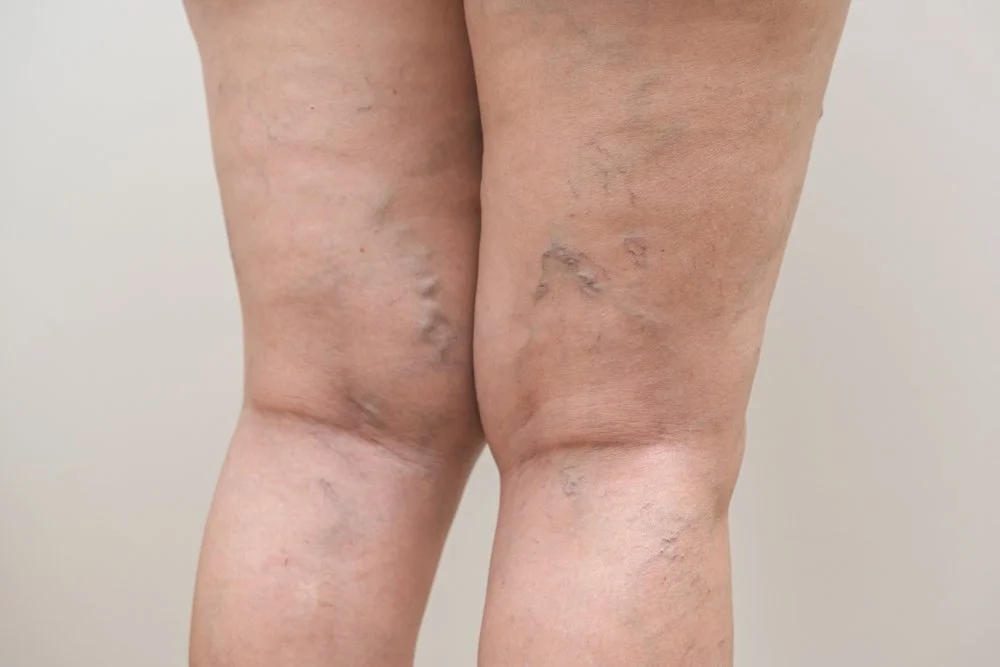
Close-up of a person's legs with visible skin discoloration.
Temporary increase in blood flow
Common symptoms: Mild warmth without pain or swelling.
When to seek evaluation: If the sensation keeps returning without an obvious trigger.
Local irritation
Common symptoms: Warmth, mild redness, or sensitivity.
When to seek evaluation: If symptoms persist or become more uncomfortable.
Vein inflammation
Common symptoms: Warmth, redness, or tenderness.
When to seek evaluation: Prompt evaluation is appropriate.
Deeper circulation problem
Common symptoms: Warmth with swelling, pain, or significant discomfort.
When to seek evaluation: Medical assessment is important, especially if symptoms develop suddenly.
🦵 When Warmth May Need More Attention
A warm sensation becomes more concerning when it does not go away or when several symptoms appear together. For example, persistent warmth accompanied by swelling, redness, tenderness, or pain should be evaluated. A sudden change in one leg is also more concerning than mild warmth that occurs briefly after exercise or heat exposure.
Do not assume that every warm area is caused by a vein problem. Infection, inflammation, injury, and other conditions can also affect the skin and underlying tissue. If you are unsure about the cause, a professional vein evaluation can help determine what is happening.
🚨 When to Seek Prompt Medical Care
Certain symptoms deserve more urgent attention, particularly when they appear suddenly or become severe. Seek prompt medical assessment if warmth is accompanied by significant swelling, increasing pain, marked redness, or tenderness. Sudden swelling or pain in one leg, especially when it develops without an obvious explanation, should not be ignored.
If you also experience chest pain, difficulty breathing, coughing up blood, or sudden unexplained shortness of breath, seek emergency medical care.
🩺 How a Vein Evaluation Can Find the Cause
A specialist does more than look at the visible vein. During an evaluation, the provider may review when the warmth started, whether it is getting worse, and whether you have experienced swelling, pain, redness, or other symptoms. The legs may be examined for changes in the skin, visible veins, swelling, and tenderness. Diagnostic imaging, such as ultrasound, can then be used when appropriate to examine blood flow and the condition of the veins.
This combination of examination and imaging helps identify whether the symptoms are related to a vein problem or whether another cause needs to be considered.
🏥 How Inland Vein & Wound Specialists Can Help
Inland Vein & Wound Specialists takes a comprehensive approach to unusual vein symptoms. When warmth, swelling, pain, or visible changes raise concern, the team can evaluate the affected area and use diagnostic imaging when needed to better understand what is happening beneath the skin. Treatment recommendations are based on the findings rather than the appearance of the vein alone. Depending on the cause, care may involve monitoring, conservative measures, or an appropriate vein treatment. If you have noticed persistent warmth along a visible vein, especially with pain, redness, or swelling, contact Inland Vein & Wound Specialists for an evaluation and find out what may be causing the change.
❓ Frequently Asked Questions
-
A vein may feel warm because of increased blood flow, local irritation, inflammation, or another condition affecting the surrounding tissue. If the warmth persists or occurs with pain, redness, or swelling, it should be evaluated.
-
Yes. Localized warmth can occur with inflammation, particularly when accompanied by redness, tenderness, or swelling. However, these symptoms can have several causes, so an examination may be needed to determine what is responsible.
-
No. Temporary warmth after exercise, heat exposure, or increased activity may not indicate a serious problem. Persistent or worsening warmth, especially with other symptoms, deserves medical attention.
-
Consider an evaluation if the warmth keeps returning, does not improve, or occurs with swelling, redness, tenderness, or pain. Sudden or significant symptoms in one leg should be assessed promptly.
