
How Long Does Varicose Vein Treatment Really Take?
How Long Does Varicose Vein Treatment Really Take?
If you have been putting off vein treatment because you picture a long hospital stay, you may have an outdated idea of what treatment looks like today. Many modern procedures are performed on an outpatient basis and do not require a lengthy stay. But there is a difference between how long the procedure itself takes, how long you may spend at the clinic, and how long it takes to get back to your usual routine. The timeline depends on the treatment, the veins being addressed, and your individual circumstances.
⏱️ How Long Does Varicose Vein Treatment Take?
So, how long does varicose vein treatment take? There is no single answer because treatment can range from a relatively brief office-based procedure to a longer appointment that includes imaging, preparation, treatment, and post-procedure assessment. The number of veins being treated, their location and anatomy, whether both legs are being addressed, and the type of procedure can all affect the schedule. Your provider may also need additional diagnostic imaging before deciding how to proceed.
This is why it is more useful to think about treatment in three parts: the procedure itself, the total appointment, and the time needed afterward.
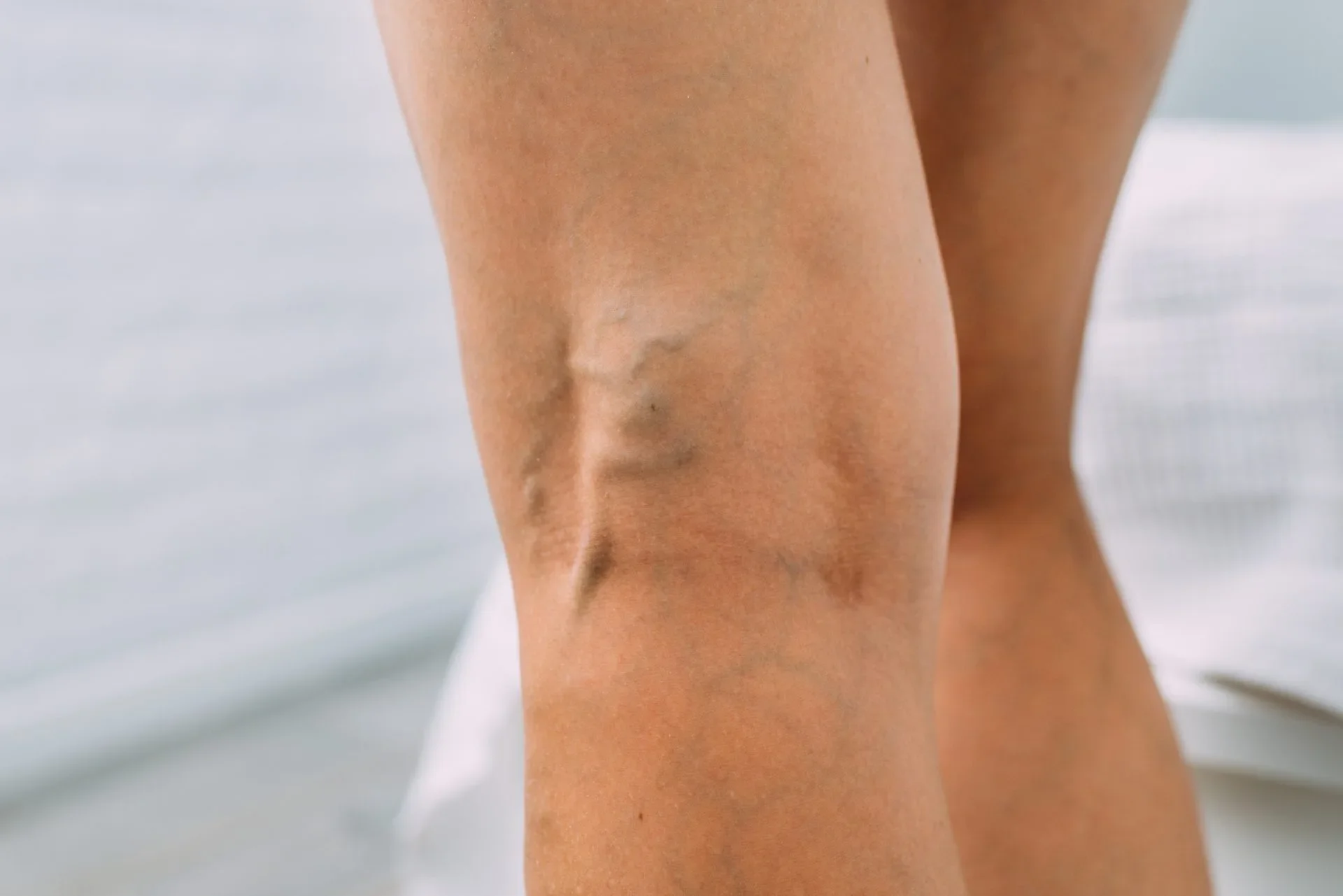
Close-up view of prominent, twisted, and bulging varicose veins visible on the back of a patient's leg
🔥 How Long Does Vein Ablation Take?
How long does vein ablation take?
Ablation procedures such as RFA and laser treatment are generally relatively short compared with traditional surgical approaches. However, the actual treatment is only one part of your visit. Before the procedure, the treatment area may be assessed and prepared, and local numbing medication may be used. The provider then guides a catheter or fiber into the targeted vessel and applies controlled energy to close it. Afterward, the area is checked and you receive instructions for caring for the treated leg. The total appointment can therefore take longer than the time spent delivering the energy itself. If more than one vessel requires treatment, or if both legs are being addressed, additional time may be needed.
🔥 What About RFA?
Radiofrequency ablation uses controlled heat to close a vein affected by abnormal blood flow. A thin catheter is placed into the targeted vessel, and radiofrequency energy is delivered along the treatment area. The procedure is generally performed without traditional open surgery and is commonly done as an outpatient procedure. You can usually expect preparation and post-treatment steps around the actual procedure, so the time you spend at the clinic will be longer than the treatment portion alone. Your individual anatomy and the number of vessels being treated can influence the overall schedule.
💡 How Long Does Laser Ablation Take?
Laser ablation follows a similar general workflow. A thin fiber is guided into the selected vein, and laser energy is used to close the vessel. As with RFA, the procedure itself is only one part of the appointment. Preparation, local numbing, imaging guidance, and post-treatment assessment can add time. If additional veins need attention, the appointment may take longer. Neither treatment should be judged solely by how many minutes the energy is applied. What matters is whether the appropriate vessels can be safely treated based on your evaluation.
💉 How Long Does Sclerotherapy Take?
How long does sclerotherapy take?
Sclerotherapy sessions are often relatively brief, particularly when a smaller number of surface veins are being treated. The provider injects a sclerosing solution into selected vessels, which causes them to close over time. The session can take longer when there are more veins to treat or when the vessels are more extensive. Some patients may also need more than one session to address their concerns. Because this treatment is different from catheter-based ablation, its appointment structure and duration can also differ.
🩻 Does Testing Add to the Appointment?
Sometimes. A vein treatment plan may begin with a clinical assessment and duplex ultrasound, particularly when the provider needs to investigate abnormal blood flow or determine which vessels are contributing to symptoms. If diagnostic imaging is performed during the same visit, it can add to the overall appointment time. In other cases, testing may happen separately before a procedure is scheduled. This extra time is important because treatment should be based on what is happening inside the veins rather than simply on which vessels are visible on the skin.
🧩 Why Does Treatment Time Vary?
The treatment time for one patient may be different from another even when they are receiving the same procedure. The number of veins being treated is one factor, but it is not the only one. Vein anatomy can affect how a procedure is performed, while treating both legs may require additional time. Some patients also need more extensive imaging or evaluation before treatment. Your provider may recommend treating one area first and addressing another area during a later visit. This individualized approach helps ensure that treatment focuses on the vessels that actually need attention rather than trying to treat everything at once.
🚶 What Is the Varicose Vein Treatment Recovery Time?
Varicose vein treatment recovery time
The time needed to return to your normal routine depends on the procedure and your individual response. Many minimally invasive treatments do not require a prolonged hospital stay, and patients are often able to walk soon afterward. Some temporary soreness, bruising, tightness, or tenderness may occur around the treated area. Your provider may recommend regular walking and give you specific instructions about exercise, driving, work, and other activities. Rather than following a fixed timeline, it is best to follow the instructions given for your particular procedure. Your recovery may also differ depending on how many areas were treated and whether you had any additional procedures.
🏃 What Can You Expect After Treatment?
For many minimally invasive procedures, being able to go home the same day is part of the appeal. An outpatient procedure does not mean there is no recovery period, but it does mean you generally do not need to stay overnight in a hospital. Activity after treatment varies. Walking is often encouraged after appropriate procedures, while your provider may temporarily limit strenuous exercise or other activities. You will receive guidance based on the treatment performed and how your body is responding. A follow-up appointment or ultrasound may also be recommended to assess the treated vessel and make sure everything is progressing as expected.
🩺 What Should You Expect From Your Treatment Timeline?
If you are planning varicose vein treatment, ask your provider to explain three things: how long the procedure itself is expected to take, how long you should plan to be at the clinic, and what your return to normal activities may look like. A vein specialist can give you a more useful estimate after reviewing your symptoms, vein anatomy, and diagnostic findings. That is more reliable than assuming every patient will have the same appointment or recovery schedule.
📍 Get a Timeline Based on Your Vein Condition
Modern vein procedures are often much less involved than patients expect, but there is no universal treatment timeline. The number and location of affected veins, the procedure selected, your anatomy, and any additional testing can all influence how long your care takes. If you are considering treatment in Rancho Cucamonga, an individual evaluation can help you understand which approach may be appropriate and what to expect before, during, and after treatment. Schedule an evaluation to discuss your treatment options and get a clearer idea of your expected timeline.
❓ Frequently Asked Questions
How long does RFA take?
RFA is generally a relatively short minimally invasive procedure, although the full appointment can take longer due to preparation and post-treatment assessment.
How long does sclerotherapy take?
Sclerotherapy sessions are often relatively brief, but treatment time depends on the number and type of veins being treated.
Can you return to normal activities after vein treatment?
Many minimally invasive vein procedures allow patients to resume normal activities relatively quickly, although individual instructions vary by treatment and patient.
