
Does Sclerotherapy Work for Spider Veins? Results and What to Expect
Does Sclerotherapy Work for Spider Veins? Results and Recovery
If those thin red, blue, or purple lines on your legs have become more noticeable, you may be wondering whether treatment can actually make them fade. The short answer is yes, sclerotherapy can reduce many small surface veins, but the change is gradual. Some vessels respond after one session, while others may need additional treatment before the desired improvement is seen.
💉 Sclerotherapy for Spider Veins: How Does It Work?
Sclerotherapy involves injecting a sclerosing solution into the selected vessel. The solution irritates the inside of the vein, causing it to close. Blood can then move through healthier vessels nearby. The treated vessel does not disappear instantly. Over time, the body breaks it down and the visible line gradually becomes less noticeable. The technique is commonly used for small surface vessels, but not every visible vein is a candidate. The size, location, and characteristics of the vessels all matter when determining whether this approach is appropriate.
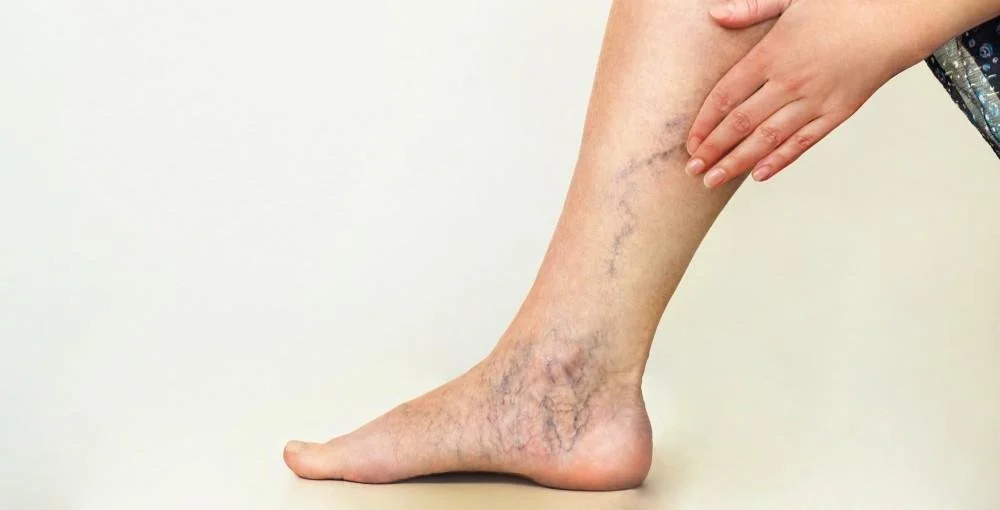
Woman with varicose veins on her legs.
📈 Does Sclerotherapy Work for Spider Veins?
For many patients, treatment can significantly reduce the appearance of targeted vessels. However, results vary from person to person. Some small veins may fade relatively well after treatment, while others may require additional sessions. New visible vessels can also develop in the future, so treatment does not guarantee that you will never notice similar veins again. The goal is improvement rather than promising that every treated vessel will disappear completely.
⏳ How Long Does It Take to See Results?
One of the most important things to know is that treatment results take time. The treated vessels gradually fade as the body processes them. Smaller vessels may become less noticeable over the following weeks, while some can take longer to improve. Your provider can give you a better idea of what to expect based on the size and number of vessels being treated.
🔄 How Many Treatment Sessions Might You Need?
There is no fixed number of sessions for everyone. A few small vessels may respond well to one appointment, while a larger number of visible veins may require several sessions. The response of the treated vessels and the extent of the area being addressed can also influence the treatment schedule. Additional appointments do not necessarily mean the procedure was unsuccessful. They may simply be part of achieving further improvement.
🩹 What Is Recovery Like?
Recovery is generally straightforward, but temporary changes around the treated area are common. You may notice mild redness, bruising, tenderness, or temporary discoloration. These effects typically improve as the area heals, although the exact recovery period varies. Your provider may recommend walking after treatment and may provide specific instructions about compression, exercise, or other activities. Following those instructions can help support a smooth recovery.
👀 Can Treated Veins Come Back?
A treated vessel can fade, but that does not prevent new ones from developing elsewhere. Visible surface veins can be influenced by factors such as genetics, hormones, age, and pressure within the veins. If new vessels continue appearing or you also have swelling, aching, heaviness, or other symptoms, a broader vein evaluation may be useful. In some cases, visible surface vessels can occur alongside an underlying circulation problem that needs to be addressed separately.
🩺 Why an Evaluation Matters Before Treatment
Not every visible vein should automatically be treated with injections. A specialist can examine the affected areas and consider your symptoms and overall vein health. When appropriate, diagnostic imaging can help determine whether there is an underlying problem with blood flow. This helps ensure that the recommended vein treatment matches your individual needs rather than focusing only on what is visible on the skin.
🎯 What Can You Expect From Treatment?
The goal of spider vein sclerotherapy is to make targeted vessels less visible, not to guarantee complete or permanent removal. Your provider can explain the likely number of treatment sessions, expected timeline, possible temporary side effects, and what kind of improvement may be realistic for your specific veins. Having realistic expectations can make it easier to judge your progress as the treated vessels gradually fade.
❓ Frequently Asked Questions
-
Yes, it can effectively reduce many small surface vessels. Results vary, and some people need more than one session to achieve the desired improvement.
-
The treated vessels usually fade gradually rather than disappearing immediately. Smaller vessels may show improvement over several weeks, while others can take longer.
-
There is no standard number. The number of appointments depends on how many vessels are being treated, their size and location, and how they respond to the treatment.
-
New vessels can develop even after successful treatment. Sclerotherapy addresses the targeted vessels but does not prevent new visible veins from forming in the future.
📍 Find Out if This Treatment Is Right for You
If visible veins are bothering you, you do not have to guess whether injections are the right option. A professional evaluation can help determine what type of vessels you have and what kind of improvement may be realistic.
Inland Vein & Wound Specialists can evaluate your veins and discuss whether this treatment is appropriate for your individual concerns.
Schedule a spider vein evaluation today to explore your treatment options.
