
Why Modern Vein Treatments Don’t Require a Hospital Stay
🩺 Modern Vein Surgery: Safe, Fast Outpatient Procedures
For many people, the phrase "vein surgery" still brings to mind hospital stays, large incisions, and lengthy recoveries. That perception is understandable because older vein treatments often involved invasive procedures that required significant downtime. Fortunately, vascular care has changed dramatically over the past few decades.
Advances in medical technology have transformed how vein disease is treated. Today, many procedures are performed in outpatient settings using minimally invasive techniques that allow patients to return to normal activities much sooner than traditional surgical approaches ever allowed.
📜 How Vein Treatment Has Changed Over the Years
The journey from traditional surgery to modern office-based procedures represents one of the most significant advancements in vascular medicine.
For many years, vein stripping was one of the primary treatments for severe varicose veins. The procedure involved removing damaged veins through surgical incisions, often requiring anesthesia and extended recovery periods. While effective in many cases, the procedure could be associated with discomfort, bruising, and time away from normal daily activities. Medical imaging, catheter-based treatments, and ultrasound-guided procedures have significantly improved vein care. Physicians can now identify problematic vessels with greater precision and treat them through small access points rather than large surgical incisions. These innovations have helped create safer and more comfortable alternatives to traditional surgery. Today's patients often experience a very different treatment journey. Many procedures are completed in a physician's office or outpatient setting, allowing individuals to walk out shortly after treatment.
Recovery times are generally shorter, and many patients resume normal activities far sooner than they could with older surgical methods.
🏥 Today's Most Common Outpatient Procedures
Modern vascular care offers several effective options designed to address circulation problems while minimizing disruption to daily life.
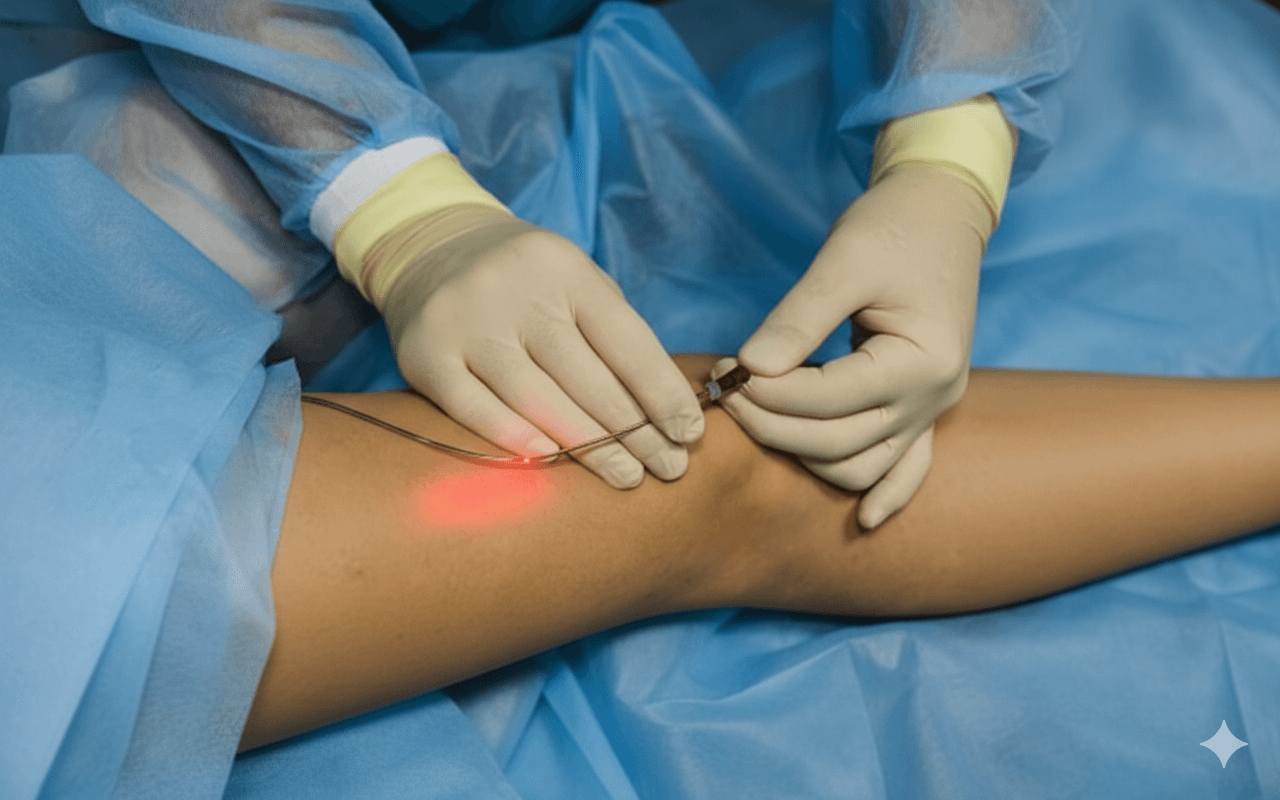
Minimally invasive vein procedure being performed on a patient's leg.
📡 Radiofrequency Ablation
Radiofrequency Ablation uses controlled heat energy to close unhealthy veins. A thin catheter is guided into the affected vessel, where thermal energy causes the vein to seal shut.
This approach has become one of the most common forms of outpatient vein treatment for chronic venous insufficiency and enlarged veins.
💉 Sclerotherapy
Sclerotherapy involves injecting a specialized solution into targeted veins, causing them to collapse and gradually fade over time.
The procedure is commonly used for smaller visible veins and can often be completed quickly in an office setting.
🔬 Other Minimally Invasive Options
Additional treatments may include laser-based procedures, adhesive closure systems, and ultrasound-guided techniques. These approaches continue to expand the range of vein surgery alternatives available to patients.
Because treatment plans are tailored to individual conditions, physicians can often recommend options based on symptom severity, anatomy, and overall vascular health.
🌟 Benefits of Outpatient Vein Treatment
Modern procedures offer several advantages compared to older surgical techniques.
🚶 Faster Recovery
One of the most significant benefits is reduced recovery time. Many patients return to routine activities within days rather than weeks.
This is one reason minimally invasive varicose vein treatment options have become increasingly popular among both physicians and patients.
🛡️ Lower Risks
Smaller access points and less invasive techniques generally reduce the risks associated with traditional surgery. There is often less tissue disruption, reduced bruising, and fewer complications.
Advances in imaging technology also improve treatment accuracy.
😌 Improved Patient Comfort
Many procedures can be performed using local anesthesia, eliminating the need for more extensive anesthesia in many cases.
Patients often report a more comfortable experience both during treatment and throughout recovery.
🚶 Shorter recovery periods
🛡️ Reduced procedural risks
😌 Greater patient comfort
🏥 No hospital admission required
📈 Effective long-term symptom relief
These benefits have contributed significantly to the growing popularity of modern vein surgery techniques.
🏆 Why Inland Vein & Wound Specialists Focuses on Modern Solutions
Inland Vein & Wound Specialists utilizes advanced diagnostic imaging and minimally invasive treatment technologies to address vein disease with precision and efficiency. By focusing on modern outpatient procedures, the practice helps patients receive effective care while minimizing disruption to their daily routines.
This approach allows treatment plans to prioritize both clinical outcomes and patient comfort.
❤️ The Future of Vein Care Is Already Here
The evolution of vein treatment has made care more accessible, comfortable, and efficient than ever before. Procedures that once required hospital admission can now often be performed in outpatient settings using advanced technologies designed to improve both outcomes and recovery.
For individuals experiencing symptoms related to venous insufficiency, modern treatment options provide effective solutions that fit more easily into everyday life.
❓ Frequently Asked Questions
-
Traditional surgical procedures are far less common than they once were. Many vein conditions can now be treated using minimally invasive techniques that offer similar or better outcomes with less downtime.
-
Yes. Modern treatments have been extensively studied and are widely used by vascular specialists. When performed by qualified physicians, they have strong safety profiles and high success rates.
-
Recovery varies depending on the procedure and the patient's condition. Many individuals return to normal activities within a few days, although specific recovery recommendations should always come from the treating physician.
-
In many cases, no. Numerous outpatient procedures are performed using local anesthesia, allowing patients to remain comfortable without the need for general anesthesia.
